Ukraine establishes long-range command to intensify strikes on Russia
IN SHORT
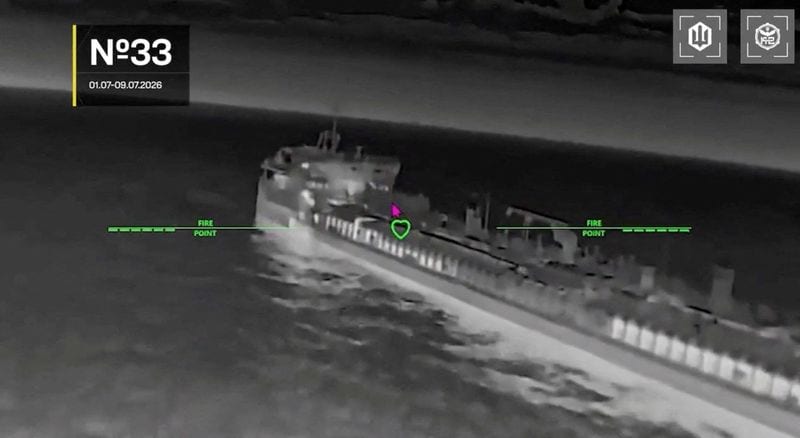
Ukraine is creating a new "long-range impact" command within its armed forces to intensify strikes on Russian energy and logistics infrastructure. This move comes as Ukrainian drone attacks have forced Russia to ban diesel exports and restrict shipping, impacting its economy and war-funding capacity.
Key Numbers
65%domestic gasoline output reduction
10tankers struck in Sea of Azov
50fuel vessels damaged in five days
4+years of Russian barrages on Ukraine
Who's Involved
Volodymyr Zelenskiy
Ukraine's President, announcing the new command
Robert Brovdi
Ukraine's drone forces commander, overseeing long-range campaign
Vladimir Putin
Russian President, rejecting calls to negotiate peace
↳ Why This Matters
Ukraine's creation of a dedicated long-range strike command signals an escalation in its strategy to cripple Russia's war economy. The sustained attacks on energy infrastructure and logistics are designed to impose significant economic costs on Russia, potentially influencing its resolve to continue the conflict and impacting global energy markets.