Key facts
- Ukraine is targeting Russian ballistic missile launchers near its borders.
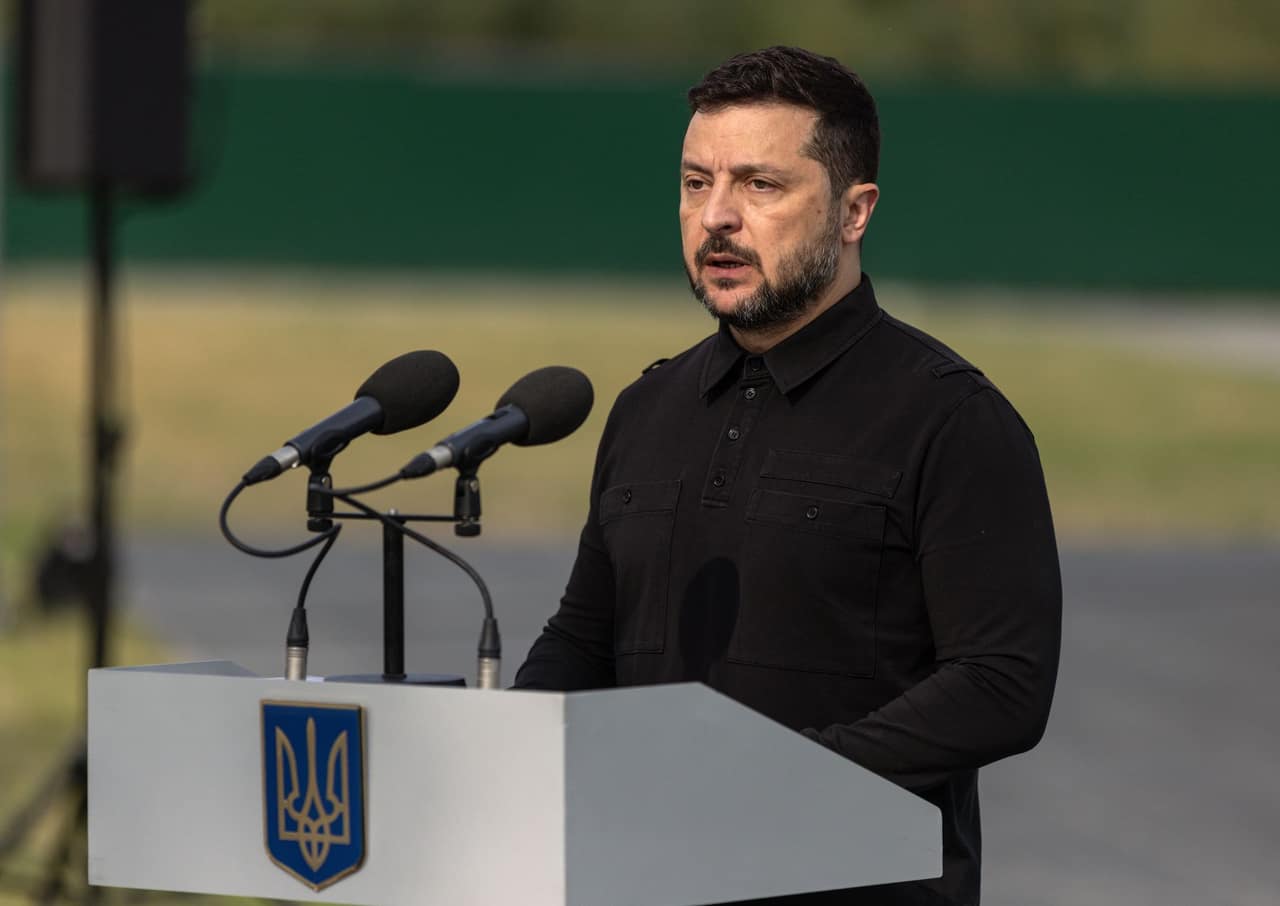
- President Volodymyr Zelensky announced the new tactic on Aug. 22.
- The operation aims to counter Russian ballistic missile attacks amid a shortage of interceptor missiles.
- Ukraine struck an Iskander ballistic missile launcher near its borders.
- Russia reportedly plans a 'peripheral' mobilization of 300,000 men after elections.
Ukraine has initiated a new strategy to target Russian ballistic missile launchers positioned near its borders, as the country faces a critical shortage of interceptor missiles for its air defense systems. President Volodymyr Zelensky announced on Aug. 22 that Ukrainian forces successfully struck an Iskander ballistic missile launcher, describing this as a crucial alternative tactic.
Zelensky explained that these operations are designed to prevent large-scale Russian missile attacks, noting that the strikes are complex and individual. He indicated that these efforts are already yielding results, citing a situation where a planned Russian attack was averted. The Iskander system, Russia's primary surface-to-surface tactical ballistic missile system, has been frequently used in combined attacks against Ukrainian targets, often complemented by North Korean KN-23 and advanced Zircon cruise missiles. These systems are typically launched from mobile erector-launcher systems within Russian border regions like Bryansk or Kursk oblasts.
With Ukraine's stocks of Patriot ballistic missile interceptors reportedly depleted, striking the launchers themselves has been proposed as a method to counter the Iskander threat. However, Ukraine has previously lacked the means to quickly detect and hit these launch sites. Zelensky also revealed that Russia has the capacity to produce approximately 1,300 ballistic missiles annually and currently holds around 600–630 in stock, with potential to reach about 100 missiles per month. Ukraine is actively seeking more Patriot interceptor missiles, having received only 264 this year and requesting 360. Zelensky mentioned that Germany has committed to supplying 600 PAC-2 missiles for Patriot systems in 2027–2028, while negotiations for additional supplies with Washington are ongoing. A longer-term solution, the Freyja project for a new anti-ballistic missile system, is also progressing to the technical stage with European and Ukrainian defense companies.
Separately, Ukraine is considering significant changes to its mobilization system due to recruitment challenges. Roman Kostenko, secretary of the parliamentary defense committee, stated on Aug. 22 that financial incentives have not sufficiently boosted recruitment, leading to discussions about revising the draft age. Compulsory mobilization is expected to continue, with no plans to eliminate exemptions for parents with three or more children or to change the voluntary service for women. Under martial law, Ukrainian men aged 25 to 60 are subject to conscription and restricted from leaving the country.
Meanwhile, Russia is reportedly planning a 'peripheral' mobilization of around 300,000 men after the September elections, aiming to minimize societal backlash by avoiding major cities, according to Zelensky. In other developments, Ukrainian drones were reportedly used to strike an Ozon logistics center in Orenburg, Russia, on Aug. 23, marking the second reported attack on the company's facilities after a similar strike on Aug. 22 in Samara Oblast. These attacks on Ozon, a major online marketplace, are seen as a shift from previous strikes on Wildberries facilities, with justifications that the company sells goods to the Russian military.