Key facts
- The 1883 Krakatau eruption caused over 36,000 deaths, primarily from tsunamis.
- Volcanic sulfur aerosols reflect sunlight, leading to global cooling.
- The 536 AD eruption caused an 18-month haze, plummeting temperatures and crop failures.
- The 1257 Samalas eruption led to cooling and crop damage, potentially impacting the Mongol Empire.
- Evidence suggests eruptions around 1345 may have contributed to the Black Death.
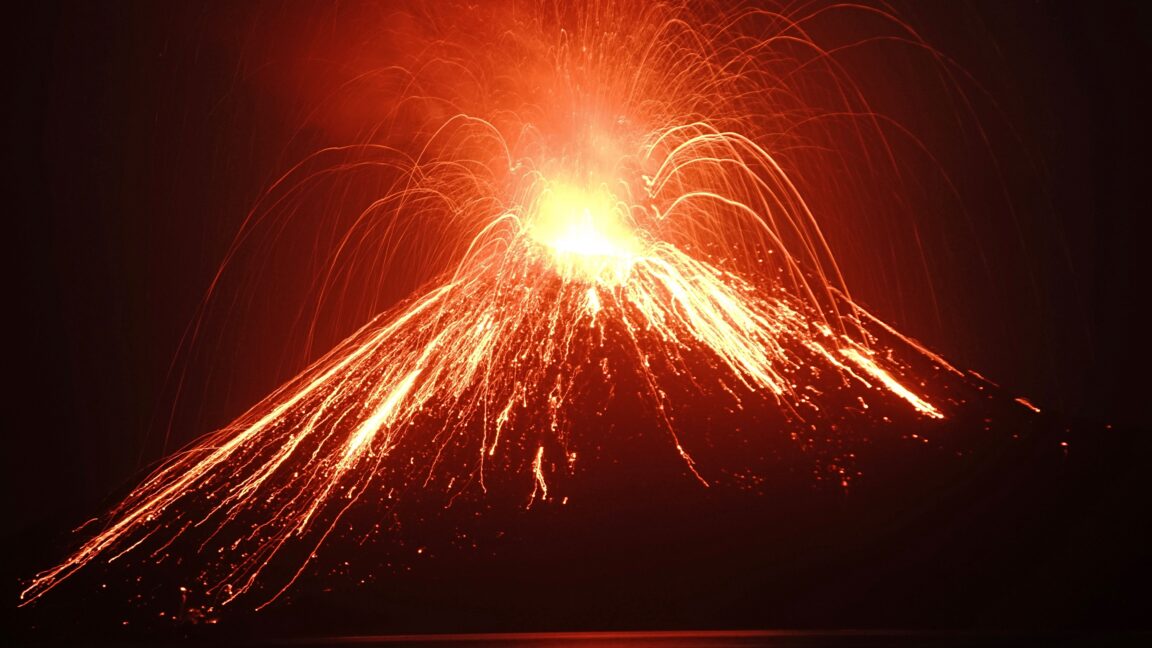
Enormous volcanic eruptions have historically triggered climate shocks that profoundly affected human societies, influencing agriculture, public health, and even the course of history. The 1883 eruption of Krakatau in Indonesia, which obliterated islands and caused devastating tsunamis that killed over 36,000 people, provided early evidence of these global impacts. The sulfur aerosols released into the atmosphere circled the globe, reflecting sunlight and causing a measurable drop in Northern Hemisphere summer temperatures.
Researchers now understand that such rapid climate changes can transform societies. By analyzing polar ice cores for sulfur and ash deposits, scientists can identify past major eruptions. The eruption in 536 AD, for instance, created an 18-month haze that shrouded the sun, leading to plummeting temperatures and crop failures, potentially contributing to the first documented global plague.
Further evidence links the 1257 eruption of the Samalas volcano in Indonesia to widespread cooling across North America and Eurasia, damaging harvests and rice production. Some researchers speculate this climate disruption may have contributed to the demise of the Mongol Empire. Similarly, eruptions around 1345, though their location remains unknown, may have played a role in the conditions that facilitated the Black Death plague in Europe.