Ukraine's Parliament Dismisses Prime Minister Yuliia Svyrydenko
IN SHORT
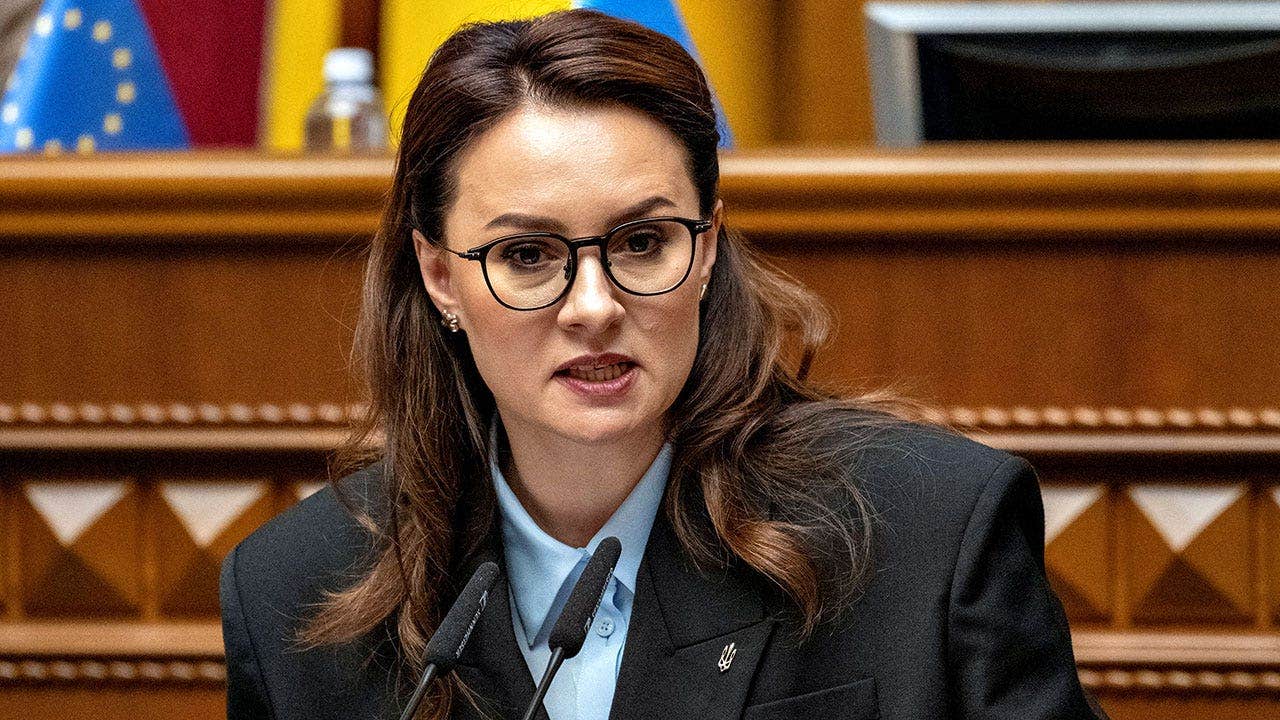
Ukraine's parliament accepted Prime Minister Yuliia Svyrydenko's resignation on Tuesday, following President Volodymyr Zelenskiy's call for a government reset. Naftogaz CEO Serhii Koretskyi is expected to succeed her.
Key Numbers
July 14date parliament accepted resignation
90 billion eurosloan package secured under Svyrydenko
one yearSvyrydenko's tenure length
Who's Involved
Yuliia Svyrydenko
Ukrainian Prime Minister who resigned
Volodymyr Zelenskiy
President of Ukraine requesting the reshuffle
Serhii Koretskyi
Naftogaz CEO and expected next Prime Minister
Yaroslav Zhelezniak
Opposition lawmaker critical of government's record
↳ Why This Matters
The change in Ukraine's prime minister signals a potential shift in the country's political strategy as it navigates ongoing conflict and seeks closer ties with the European Union. The new government will face challenges in maintaining the wartime economy and preparing for winter.