Key facts
- Ukraine's battlefield gains have not resolved its humanitarian crisis, according to the IRC.
- Aid cuts, led by the U.S., have halved the IRC's budget in Ukraine to an estimated $20 million in 2027.
- Approximately 10 million people are displaced in Ukraine, with nearly 4 million internally displaced.
- The IRC provides mobile medical aid and trauma support to vulnerable groups near the frontline.
- The mental health impact of the prolonged war on the Ukrainian population is a significant concern.
Despite Ukraine's recent battlefield successes against Russia, the country's humanitarian crisis persists, exacerbated by a significant reduction in aid, according to the International Rescue Committee (IRC).
David Miliband, president and CEO of the IRC, stated during a visit to Ukraine that the momentum in the war has shifted, but millions of displaced Ukrainians continue to face severe hardship. He noted that aid cuts, particularly from the U.S., have halved the IRC's budget in Ukraine to an estimated $20 million for 2027, down from $40 million last year.
Miliband described the situation as part of 'the new world disorder,' characterized by numerous global conflicts, diseases, and natural disasters, leading to more shocks and fewer resources to absorb them. He specifically pointed to the Trump administration's reduction of foreign aid and dismantling of the U.S. Agency for International Development as contributing factors, prompting other nations to also cut spending.
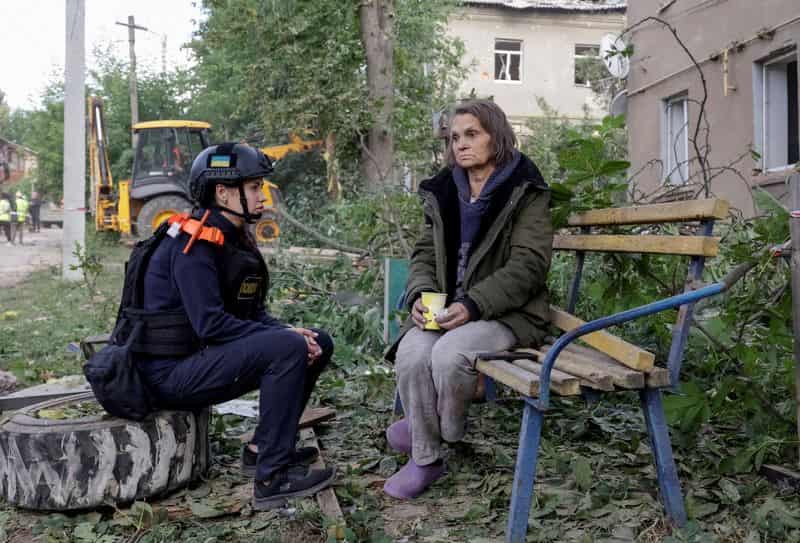
The IRC provides essential services in Ukraine, including mobile medical assistance to communities near the 1,200-kilometer frontline and trauma support for vulnerable children and women. Miliband also highlighted the often-overlooked impact of the prolonged conflict on the mental health of the Ukrainian population.
He suggested that redirecting a portion of the substantial military aid provided to Ukraine towards humanitarian assistance and psycho-social support could significantly bolster the resilience of Ukrainian society.