Key facts
- Over 30 deaths have occurred in Kigonze camp since early May.
- Symptoms observed include headaches, fever, and vomiting, consistent with Ebola.
- Resistance to testing and poor sanitation are hampering control efforts.
- Funding for water, hygiene, and sanitation services has been significantly reduced.
- Samples from five victims have been sent for testing.
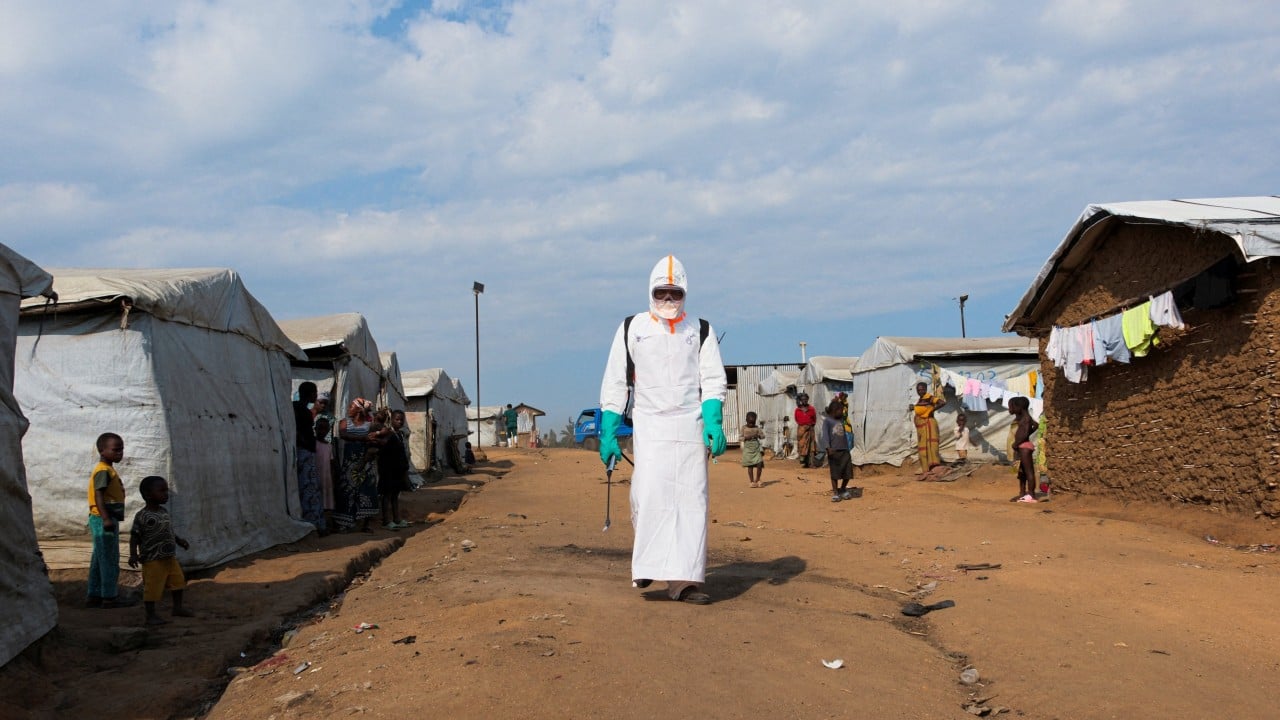
Over 30 deaths have occurred in Kigonze camp, a settlement for displaced civilians in northeastern Congo, since the start of May. Camp officials suspect Ebola due to symptoms including headaches, fever, and vomiting, raising fears the virus may be circulating undetected among the region's over 5 million displaced people. Confirmation of the cause of death has been hindered by resistance to testing from patients or their relatives, though health workers have collected samples from five victims pending results. The high death rate, compared to the camp's usual one to three deaths per month, highlights precarious living conditions and severely limited sanitation. Aid workers attribute increased disease exposure to funding cuts for water, hygiene, and sanitation services, with the current year's appeal only 21% funded. While the U.S. has historically been a major supporter of WASH services and Ebola funding in Congo, the Trump administration defended cuts to these services, prioritizing other humanitarian aid, leading to scaled-back projects by several aid groups.