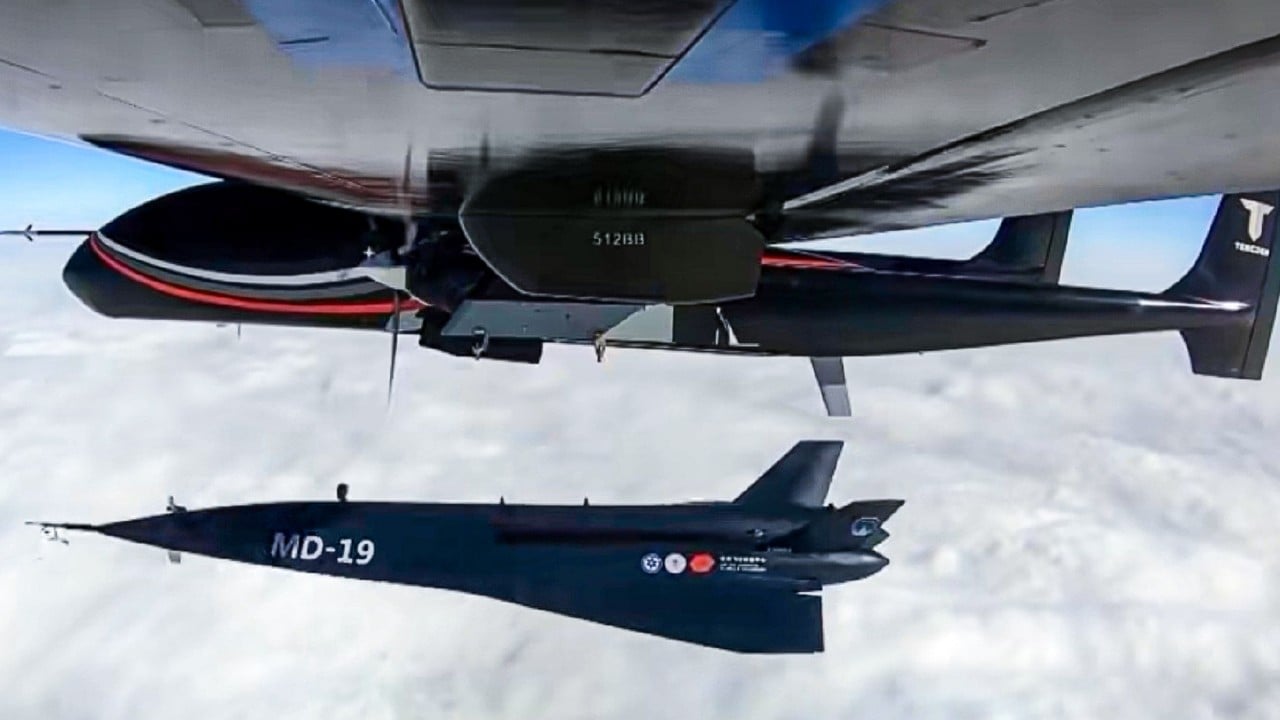
China has initiated a research program focused on low-altitude hypersonic flight, a development that could present a significant challenge to the U.S. Navy. The program, spearheaded by the Chinese Academy of Sciences (CAS) and involving leading research institutions, aims to explore technologies that would enable missiles to travel at speeds exceeding five times the speed of sound while skimming just above the sea surface.
Such low-altitude flight could drastically reduce the effectiveness of radar detection systems, shorten warning times for potential targets, and improve the ability of these weapons to penetrate sophisticated air defense networks. The research is expected to yield advancements in hypersonic cruise missiles and high-speed uncrewed aircraft, potentially revolutionizing next-generation strike capabilities.
Developing these systems requires overcoming extreme aerodynamic heating, drag, and complex shock-wave interactions, while ensuring guidance systems can function amidst intense electromagnetic disturbances. While China has already deployed hypersonic weapons, these typically utilize high-altitude trajectories. This new program focuses on a lower, more evasive flight profile.