Key facts
- The Petroleum Authority of Uganda said the Middle East conflict delayed metering, electrical instrumentation and telecom equipment deliveries.
- Construction of the $5.6 billion East African Crude Oil Pipeline is more than 90% complete, Ugandan officials said.
- Pump stations three and four and the pipeline's electrical, instrumentation, telecommunications and security systems remain incomplete.
- The 1,443-kilometre EACOP heated pipeline must be thermally integrated before any oil can move, officials said.
- S&P Global Ratings revised its outlook on Uganda's B- sovereign rating to stable from positive.
- S&P projects Uganda's fiscal deficit at 6.0% of GDP in fiscal year 2027.
Uganda's first commercial oil production and crude exports have been pushed back to before the end of June 2027, officials from the Uganda National Oil Company and the Petroleum Authority of Uganda said, in a report published on November 16. The country has waited more than two decades since commercial reserves were discovered in 2006.
The Petroleum Authority attributed the delay to international supply chain bottlenecks and disruptions linked to the war in Iran, which it said held up deliveries of metering parts, electrical instrumentation and telecommunications systems needed to finish production and evacuation infrastructure.
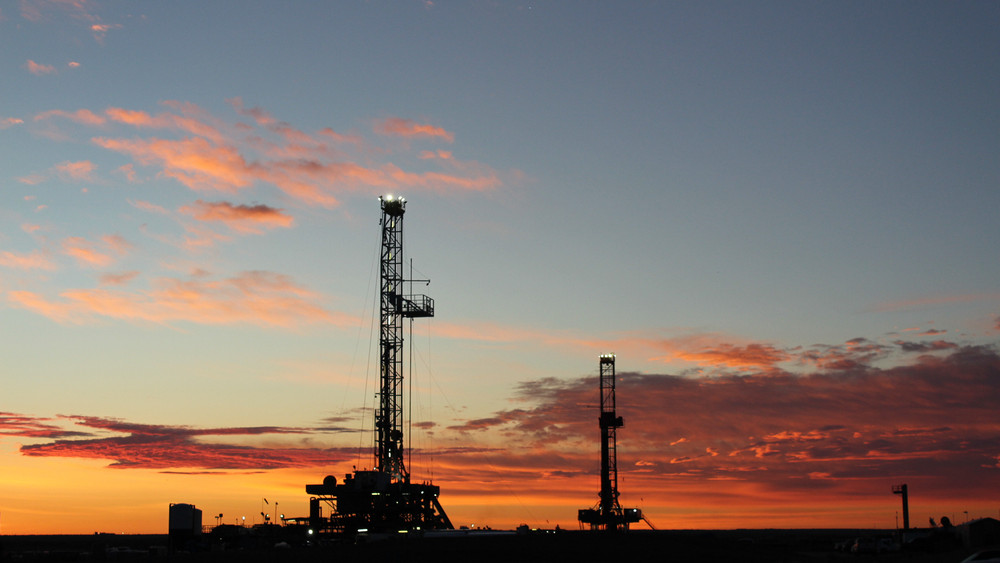
Ugandan officials said construction of the $5.6 billion East African Crude Oil Pipeline is more than 90% complete, but pump stations three and four and the pipeline's electrical, instrumentation, telecommunications and security systems are unfinished. Testing and commissioning must be coordinated across the EACOP, Tilenga, Kingfisher and Tanga projects. Lawmakers put Tilenga at 78% complete and Kingfisher at 90% in October, while the central processing facilities that treat and stabilize raw crude are still in final installation and pre-commissioning. The 1,443-kilometre heated pipeline from western Uganda to Tanga Port in Tanzania must be thermally integrated before oil can move, because of the waxy nature of Ugandan crude.
Uganda is projected to reach combined peak output of about 230,000 barrels per day across TotalEnergies' Tilenga and CNOOC's Kingfisher. Production is expected to start at around 25,000 barrels per day from Kingfisher, rising to the field's 40,000-barrel-per-day capacity, while Tilenga ramps toward 190,000 barrels per day. The Petroleum Authority said the government could earn between $1.5 billion and $2.5 billion a year once output begins, against merchandise export earnings of about $13.4 billion in 2025. Uganda holds about 6.65 billion barrels of oil in place, of which about 1.65 billion barrels are estimated as recoverable.
Finance Minister Henry Musasizi told parliament in June that the Ush 84.39 trillion budget for fiscal 2026/2027 projected petroleum revenues of Ush 1.44 trillion, about $380 million. S&P Global Ratings revised the outlook on Uganda's B- sovereign credit rating to stable from positive and projects a fiscal deficit of 6.0% of GDP in fiscal 2027. The Bank of Uganda raised its benchmark policy rate by 225 basis points to 12.0% at an emergency meeting in mid-October 2026 as the shilling slid. Interest payments exceed a quarter of government revenue, a share S&P projects approaching 30%. S&P lowered its fiscal 2027 growth forecast to 5.8% from earlier projections of 7.0% to 7.5%, against 6.4% in fiscal 2026.
The report also covered other East African hydrocarbon plans: Tanzania's 57.5 trillion standard cubic feet of discovered natural gas and a $42 billion LNG terminal at Lindi involving Shell, Equinor, ExxonMobil and the state-owned Tanzania Petroleum Development Corporation, with host government agreements still being finalized and a final investment decision pending; Aliko Dangote's planned refinery at Lamu in Kenya; and Ethiopia's October 2025 inauguration of the first phase of its Ogaden LNG project.