Key facts
- The Federal Reserve raised its benchmark lending rate by 0.25% to a range of 3.75%-4%.
- This is the first rate hike by the Fed since July 2023.
- President Trump called for interest rates to be 1% or lower.
- 12 of 18 Fed officials expect at least one more rate hike this year.
- The 10-year Treasury yield hit 5.012%.
The Federal Reserve approved its first interest rate hike in three years, raising the benchmark federal funds rate by a quarter point to a range of 3.75% to 4%. The move, aimed at curbing persistent inflation, drew immediate criticism from President Trump, who has consistently advocated for lower borrowing costs.
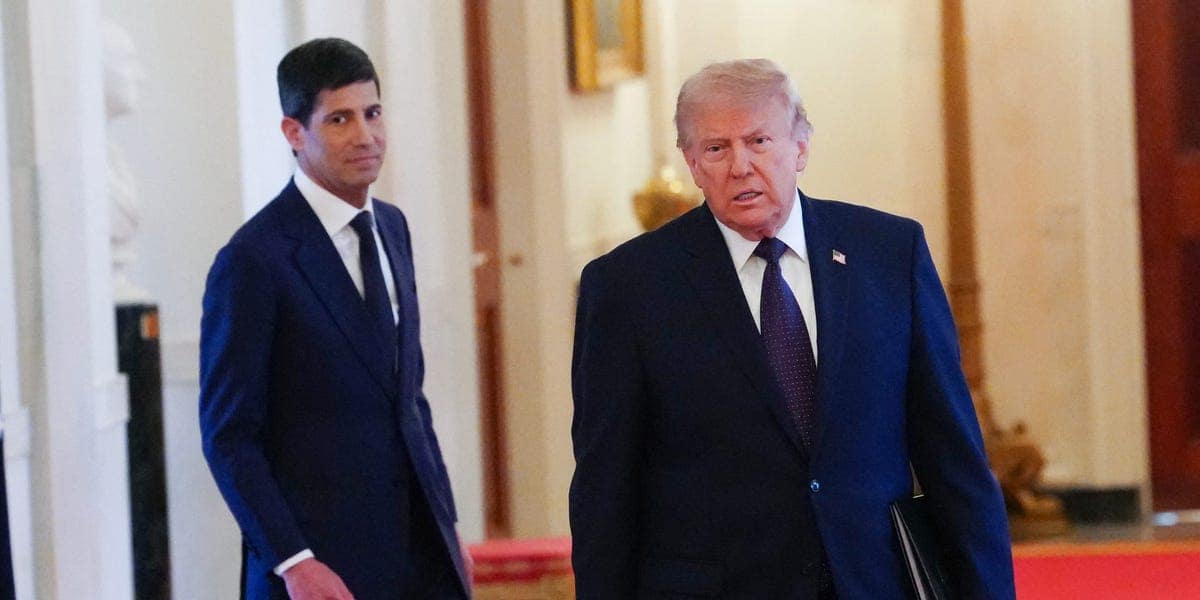
In a unanimous decision, the Federal Open Market Committee (FOMC) implemented the hike. Fed Chair Kevin Warsh stated at a press conference that inflation remains too high and the Fed is serious about addressing it. Warsh, whom Trump appointed, declined to comment on the divergence from the president's views.
President Trump took to social media to reiterate his call for rates to be 1% or lower, asserting that the U.S. has the best credit in the world. He had previously threatened to halt trade if the Fed did not lower rates.
The Fed's latest dot plot indicates a hawkish outlook, with 12 out of 18 officials anticipating at least one more rate hike this year, and four expecting two more. This projection suggests the current tightening cycle is far from over, a sentiment echoed by market participants who had largely priced in the rate increase.
Economists have warned that higher borrowing costs resulting from the rate hike could impact consumers already facing challenges with mortgages, auto loans, and credit cards. Warsh, however, countered that the Fed considers a wide array of economic data when making its interest rate decisions, typically raising rates to tame inflation and lowering them when concerned about slowing in the job market. The 30-year fixed-rate for mortgages tends to track the trajectory of the 10-year U.S. Treasury note.