Key facts
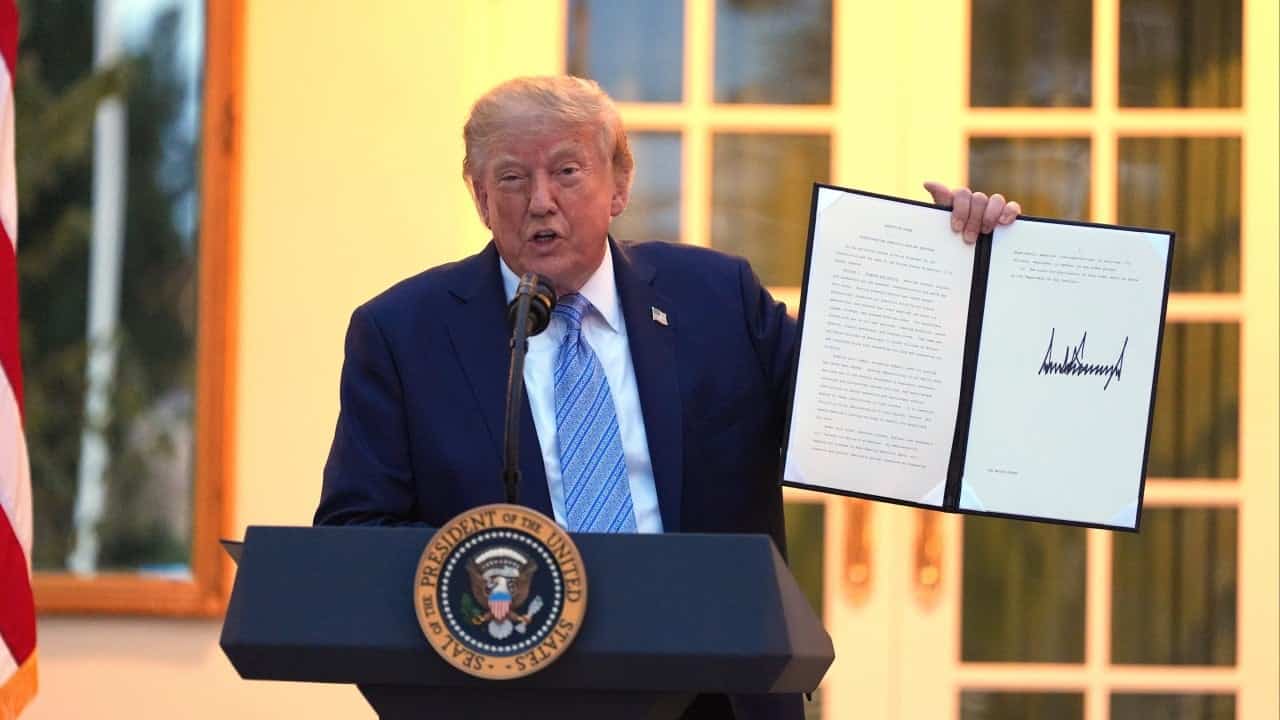
- President Donald Trump signed legislation expanding sanctions on Russia and extending measures against Iran.
- The bill, named for the late Senator Lindsey Graham, passed the House 262-159 and the Senate 86-11.
- The legislation targets Russian officials, financial institutions, the energy sector, and its tanker fleet.
- It grants Trump authority to impose tariffs of up to 100% on purchasers of Russian oil and gas.
- Sanctions on Iran are extended to 2031.
- Supporters believe the bill will increase pressure on Moscow and countries aiding its war effort.
The US Congress has passed sweeping legislation targeting Russia and Iran, sending it to President Donald Trump for his signature. The bill, named the Lindsey O. Graham Sanctioning Russia and Iran Act of 2026, aims to increase pressure on Moscow and countries that help finance its war in Ukraine.
The House of Representatives passed the bill by a vote of 262-159, with bipartisan support from Republicans and Democrats. The Senate had previously approved it by an 86-11 vote. The legislation is named in honor of the late Republican Senator Lindsey Graham, who championed the bill.
The new law targets Russian officials, financial institutions, the energy sector, and its "shadow fleet" of tankers. It also grants President Trump the authority to impose tariffs of up to 100% on major purchasers of Russian oil and gas, as well as on countries that assist Russia in evading sanctions. Additionally, the bill extends existing US sanctions on Iran until 2031, focusing on its energy and weapons sectors.
The bill's passage through the House faced some opposition from Democrats, primarily concerning the expanded tariff powers granted to the president. House Minority Leader Hakeem Jeffries expressed support for pressuring Russia but voiced concerns about broad new presidential tariff authorities. Representative Gregory Meeks also supported efforts to stop Russia's war but opposed the tariff provisions, arguing that Trump already possessed substantial sanctioning powers.
Despite some Democratic reservations, 58 Democrats voted in favor of the legislation, reflecting continued support for imposing economic costs on Russia. European officials, however, did not echo broader arguments that Europe opposed the bill. Hannes Hanso, Estonia's ambassador to the United States, stated that Tallinn supports strong sanctions against Russia and wants them implemented quickly, acknowledging the legislation was not perfect but prioritizing swift implementation.
Supporters of the bill, including Senator Richard Blumenthal, stated that the tariff provisions are designed to target countries whose energy purchases finance Russia's war. Blumenthal warned China and India to find alternative oil and gas suppliers. Senator Jeanne Shaheen emphasized that the bill sends an "unmistakable, bipartisan message" to President Putin, noting that every dollar Russia earns from illicit energy sales can fund its war effort. She urged Trump to use the new authorities to push Putin toward negotiations.