Key facts
- Donald Trump called the affordability crisis a "fake" issue.
- Trump promised a $5,000 dividend from tariff revenue if Republicans won the midterms.
- Consumer prices have increased by 4.3% since January 2025.
- Groceries are up 3.4% and gasoline is up 31% amid the ongoing crisis in Iran.
- The White House acknowledged affordability was "finally trending in the right direction."
- The administration pledged to cap credit card interest rates at 10%.
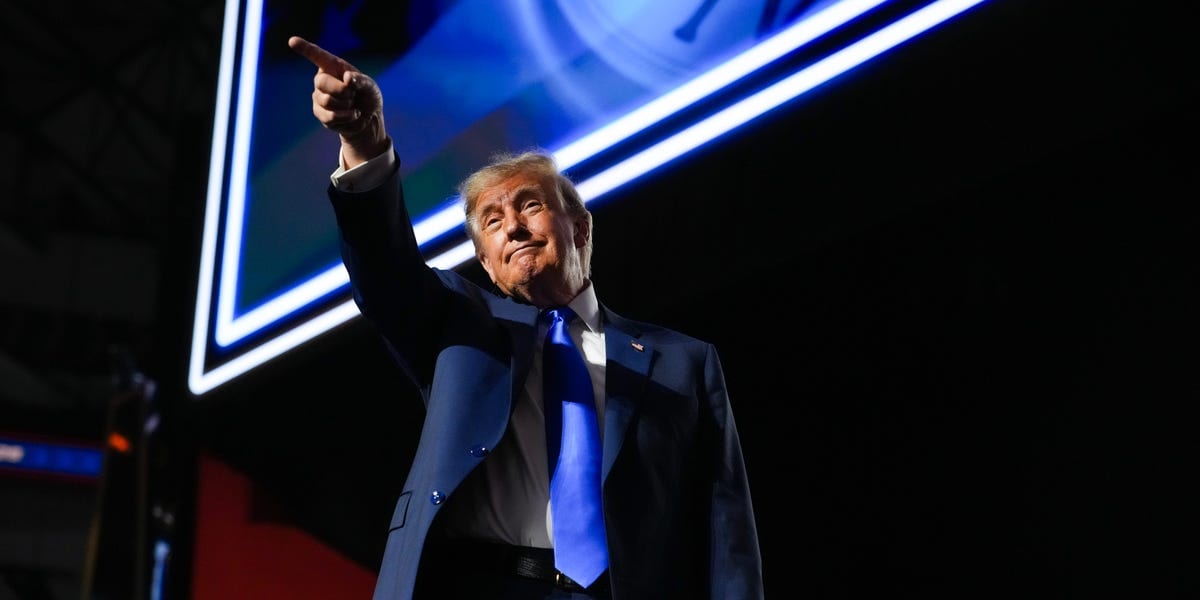
President Donald Trump has presented conflicting messages on the affordability crisis, at times dismissing it as a "fake" issue while his administration has also pursued policies aimed at easing economic pressures on households. Trump called the crisis a "fake" Democrat-created issue at the Republican National Committee's midterm convention, stating that he was "bringing the prices way down."
In the same speech, he promised that every adult US citizen would receive a $5,000 dividend from tariff revenue if Republicans won the midterms, a move economists suggest could further exacerbate inflation. Trump claimed that "food prices and almost every other item are rapidly going down," despite consumer prices having increased by 4.3% since January 2025, with groceries up 3.4% and gasoline up 31% amid the ongoing crisis in Iran.
This stance contrasts with other White House communications. In December, a post acknowledged that affordability was "finally trending in the right direction." As part of its affordability push, the administration pledged to cap credit card interest rates at 10%, open "Trump accounts" that allot $1,000 to children born between 2025 and 2028, and ban institutional investors from purchasing single-family homes. Trump's State of the Union address also outlined measures such as tax incentives for American-made cars and eliminating taxes on tips or overtime. In April, Trump signed an executive order to expand access to retirement savings, offering up to $1,000 in matching contributions for lower-income workers without employer-sponsored plans. A White House press release in August stated that major retailers, energy companies, drug companies, and automakers had slashed prices on thousands of goods.