Key facts
- Trump said his order was subject to governor-elect Rob Sand agreeing to the operation.
- The Army said it would destroy 68 barrels, or nearly 10,000 pounds, of degraded lead azide.
- The EPA said the compound has become dangerously unstable and moving it is risky.
- The Justice Department said in a court filing that a controlled detonation was necessary to prevent an uncontrolled explosion.
- The 8th Circuit froze the Army's environmental permit on Thursday after environmental groups sued.
- Sand posted on X over the weekend that no good options exist to the detonation plan.
US President Donald Trump said on November 23 that he had ordered the US Army to pause detonation of a deteriorating stockpile of toxic lead azide in Iowa. In a Truth Social post, Trump said he was ordering the pause until a federal court, which issued a temporary stay halting the detonation on Thursday, could rule on the matter. He wrote that his decision was subject to governor-elect Rob Sand agreeing to the operation.
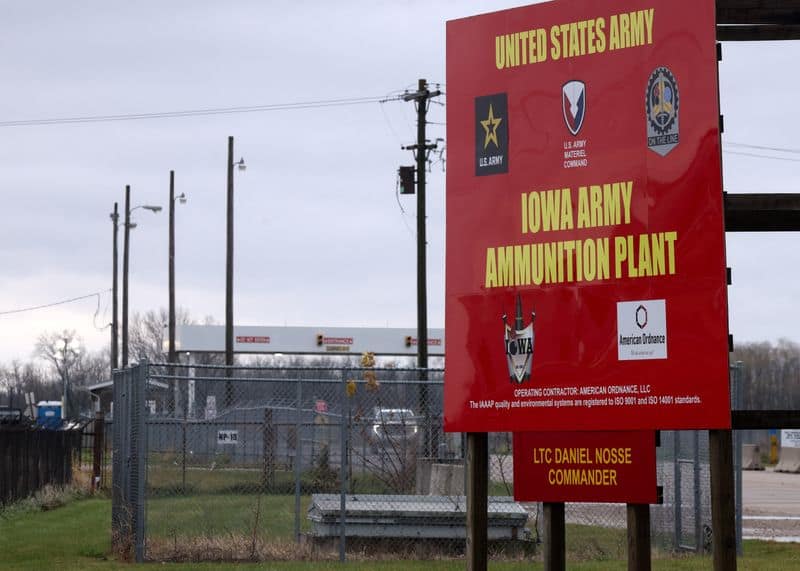
The Army said last week it would detonate 68 barrels, or nearly 10,000 pounds (4,500 kilograms), of degraded lead azide, an explosive chemical used in military munitions, at the Iowa Army Ammunition Plant on November 20. After public outcry, the Army postponed the blast.
Sand, who had posted on X over the weekend that no good options exist to the detonation plan, did not immediately respond to a request for comment on Trump's order on Monday.
The US Environmental Protection Agency said the compound has become dangerously unstable, posing the risk of an uncontrolled explosion and making moving the material risky. In a court filing late on Saturday, the Justice Department said a controlled detonation was necessary to protect the public from the more significant threat from an uncontrolled explosion.
The US Court of Appeals for the 8th Circuit temporarily halted the detonation by freezing the Army's environmental permit on Thursday after environmental groups sued to halt the operation. On Saturday the EPA said there is an immediate risk that the lead azide would explode because temperatures are expected to drop below 30 degrees Fahrenheit (minus 1 degrees Celsius) in Iowa this week.