Key facts
- President Donald Trump announced a potential deal to end the Iran war, halting new strikes.
President Donald Trump announced that the U.S. will pause further attacks on Iran, citing a potential deal outlined by Middle Eastern allies. The proposed agreement aims to reopen the Strait of Hormuz and address Iran's nuclear ambitions.
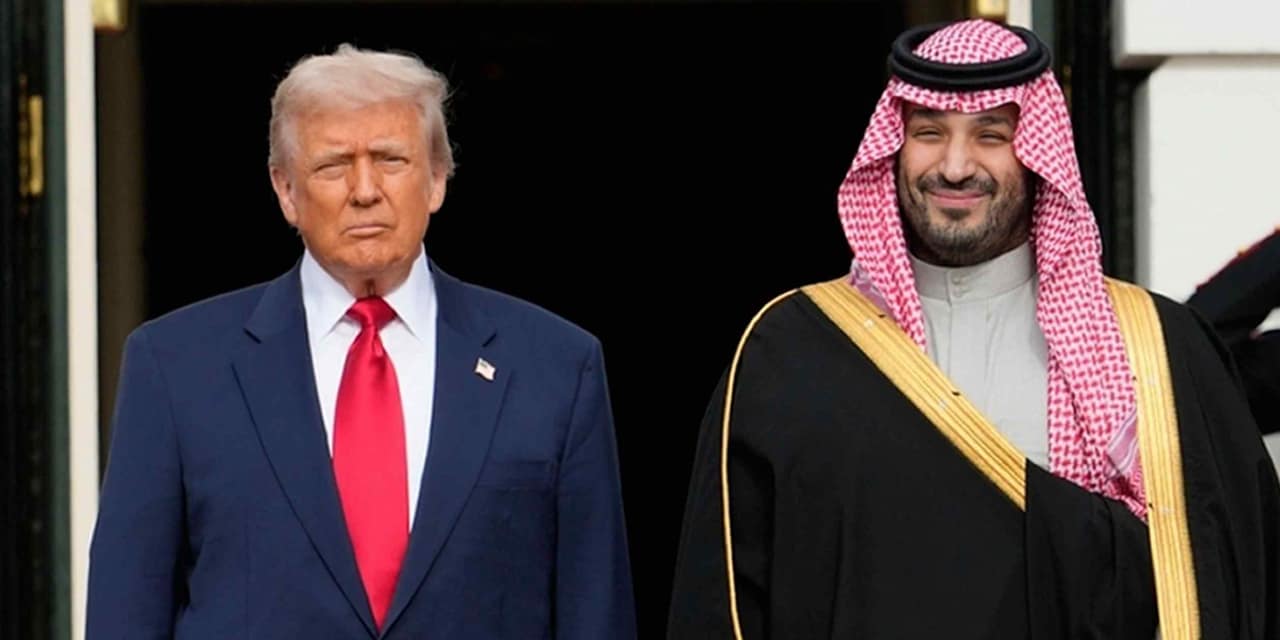
The potential de-escalation could ease global energy price pressures and reduce geopolitical tensions in the Middle East, impacting global inflation and the upcoming U.S. midterm elections.
President Donald Trump announced on social media that Middle Eastern allies have outlined a deal to end the Iran war and that he would halt new strikes in the five-month conflict for now. Trump stated the emerging deal would include the immediate, complete, and total opening of the Strait of Hormuz and an end to Iran’s nuclear threat, adding that Israel has agreed to join the U.S. in seeking an agreement.
This announcement marks a shift after days of threats of new attacks from both sides. The U.S. and Israel launched the conflict five months ago, with the Strait of Hormuz, a crucial energy conduit, largely closed by Iran. Earlier on Saturday, Saudi Crown Prince Mohammed bin Salman spoke with Trump, stressing the necessity of prioritizing dialogue to de-escalate tensions and expressing concerns about potential escalation leading to attacks on energy infrastructure. Iran's acting defense minister called U.S. threats 'psychological and cognitive warfare' but indicated increased preparedness.
Israel's energy minister, Eli Cohen, affirmed close coordination with the U.S. but stated Israel would act independently if Iran pursued its nuclear program. The conflict's continuation has impacted global energy prices and inflation, putting political pressure on Trump ahead of the November midterm elections. Reports of maritime incidents off Oman, including a projectile striking a tanker, added to regional concerns.
Pick the topics you care about. Get only what matters, on your cadence.