Key facts
- President Trump has called off planned strikes against Iran to pursue a diplomatic deal.
- New talks between the U.S. and Iran are scheduled to begin on Monday.
- Saudi Crown Prince Mohammed bin Salman urged de-escalation amid Iranian threats.
- Iran's foreign minister had previously indicated decisive action if US aggression continued.
- Oil prices fell significantly following the announcement of the strike pause and upcoming negotiations.
- Iran's Mehr news agency denied Tehran requested the US to hold off on military action.
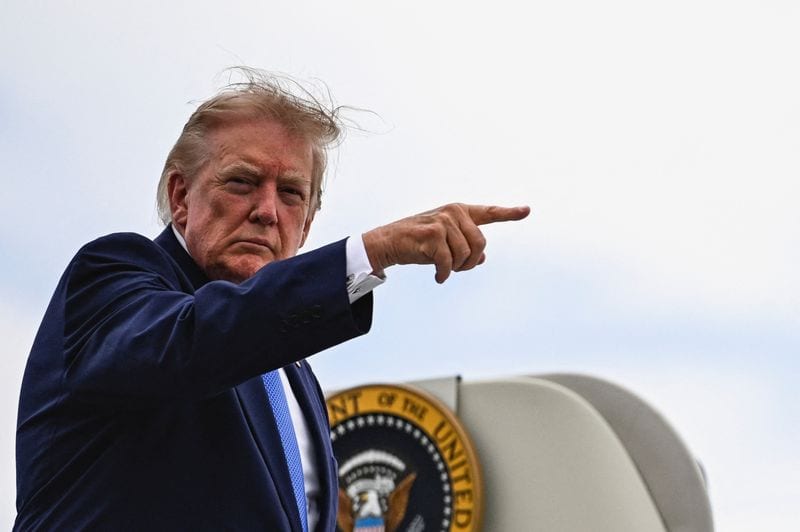
Oil prices fell significantly as markets reacted to U.S. President Donald Trump's decision to halt planned strikes against Iran and pursue diplomacy. Trump announced the cancellation of imminent attacks, stating that a deal had been agreed upon and that Iran and other countries had requested the suspension. This move followed a call from Saudi Crown Prince Mohammed bin Salman, who urged de-escalation amid Iranian threats and drone incidents.
Iran's foreign minister had previously informed counterparts of decisive action if US "aggression" continued. Despite the pause in military action, Iran reiterated its stance, stating it would act decisively against further US "aggression." President Trump indicated that negotiations with Iran are set to commence on Monday, signaling a shift towards diplomacy, though he declined to set a deadline for an agreement.
The Strait of Hormuz, a crucial chokepoint for global energy supplies, had been largely closed by Iran before the start of the war, causing energy prices to rise and stoking broader inflation. Trump has argued that his goal of preventing Iran from obtaining nuclear weapons justifies near-term fuel cost increases, but the economic pain has put political pressure on him to find a resolution.
Iran's semi-official Mehr news agency denied that Tehran had asked the US to hold off on further military action, calling Trump's claims "nothing but a new lie." During his remarks on Air Force One, Trump said that the planned strikes would have been "the biggest attack since World War II," and could have derailed prospects of a negotiated end to the months-long war.