Key facts
- Nvidia's board reinstated Jensen Huang as CEO and director, effective immediately, citing a US government assurance he is no national security risk.
- Trump said the US has no evidence of wrongdoing by Huang and claimed Attorney General Blanche found no unlawful conduct.
- Trump reportedly called into an Nvidia board meeting to push for Huang's return.
- Vice President JD Vance personally pushed for Huang's reinstatement, The Hill reported.
- Republican senators Cornyn and Curtis demanded answers on White House input and FBI briefings over the reinstatement.
- Bernstein upgraded Nvidia to outperform but kept a $200 price target, cut from $400 last week.
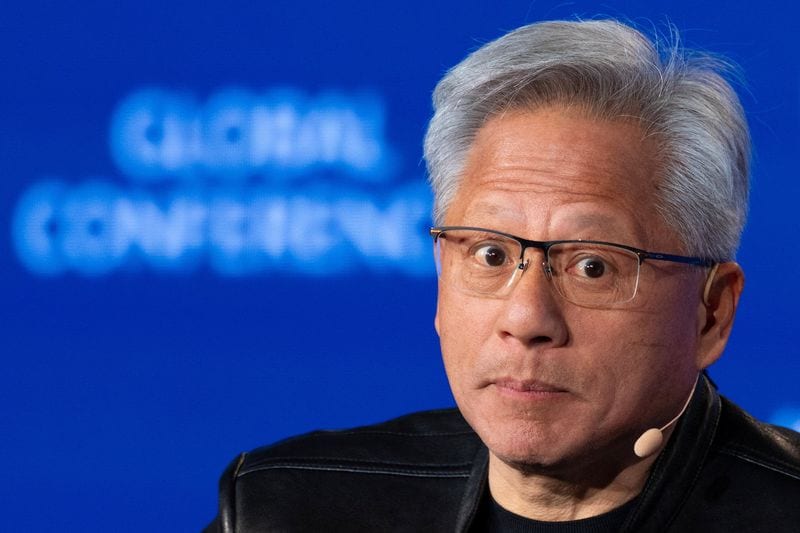
Nvidia's board reinstated Jensen Huang as CEO and director, effective immediately, citing a US government assurance that he is no national security risk, according to multiple reports. The reversal followed public and private pressure from President Donald Trump and Vice President JD Vance, who saw Huang as the lone protector of US open-weight AI models, Reuters reported.
Trump said the US has no evidence of wrongdoing by Huang and claimed Attorney General Blanche found no unlawful conduct. Trump reportedly called into an Nvidia board meeting to push for Huang's return. Huang is expected to testify before House committees on December 1.
Nvidia shares closed Friday at $125.53, up 14%, and jumped 26% in premarket trading after the reinstatement. On Monday, the stock rose 28.91% to $161.82. The move marked the largest market-cap gain for a stock ever, though Nvidia remains more than 30% below its early October high.
Republican senators John Cornyn and Ted Cruz demanded answers on White House input and FBI briefings over the reinstatement. Short-seller Carson Block also commented on Huang's return.
Wall Street analysts raised questions about Nvidia's future even with Huang back. Bernstein upgraded the stock to outperform but kept a $200 price target, cut from $400 last week. Dan Ives reiterated an outperform rating and a $225 price target, down from $300. Bernstein said Huang's judgment remains under question and that the board's reversal raises governance concerns.