Key facts
- Effective altruism is a philosophy of philanthropy that uses evidence and reason to determine how best to benefit humanity.
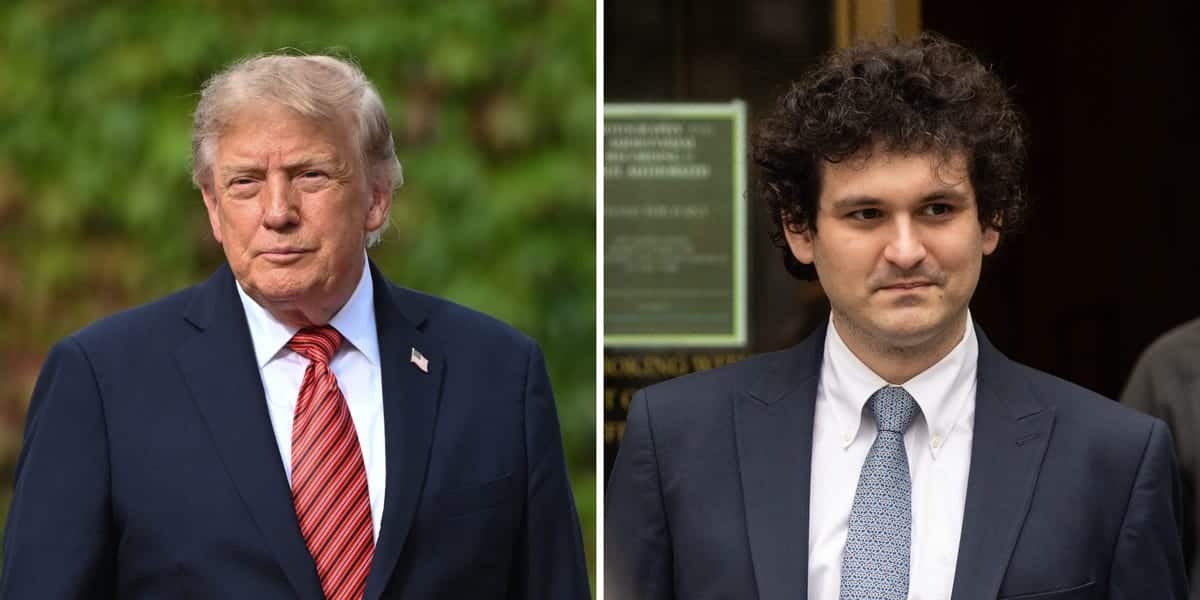
- The movement's influence on AI safety debates has put it at odds with President Donald Trump's push for rapid AI development.
- Trump dismissed fears that advanced AI could threaten humanity as a "hoax."
- Sam Bankman-Fried, former CEO of FTX, was a leading figure in effective altruism and is serving a 25-year prison sentence for fraud.
- Major funders of effective altruism include Dustin Moskovitz and Cari Tuna through Coefficient Giving.
- Effective altruism-linked giving reached roughly $2 billion in 2025, with more than 60 current and former Anthropic employees pledging part of their income.
The effective altruism movement, a philosophy advocating for the use of evidence and reason to maximize philanthropic impact, is facing increased scrutiny from the Trump administration. This comes as the AI boom generates significant wealth among those sympathetic to the movement, while its focus on AI safety clashes with President Donald Trump's agenda for rapid AI development.
On Monday, Trump characterized fears of advanced AI as a "hoax." The Defense Department further amplified this stance by posting "Americanism, not effective altruism" on X, and Trump advisor David Sacks alleged that groups linked to effective altruism are creating a "Doomer Industrial Complex" that could hinder the U.S. in its technological competition with China.
The movement, which began with philosopher Peter Singer's ideas on famine, affluence, and morality, gained prominence through organizations like GiveWell, Giving What We Can, and 80,000 Hours. Early efforts focused on measurable interventions, but a significant faction later embraced "longtermism," prioritizing safeguarding future generations from catastrophic risks, including those posed by advanced AI.
Silicon Valley figures, including Facebook cofounder Dustin Moskovitz and his wife Cari Tuna, have been major financial backers. The strategy of "earning to give," exemplified by Sam Bankman-Fried, saw individuals pursue lucrative careers to fund philanthropic causes. However, FTX's collapse and Bankman-Fried's subsequent fraud conviction have damaged the movement's credibility.
Despite reputational challenges, effective altruism's work in global health and animal welfare continues. The recent surge in AI valuations has created a new wave of potential donors, with reports indicating that effective altruism-linked giving reached approximately $2 billion in 2025. More than 60 current and former employees of AI company Anthropic have pledged a portion of their income. While Anthropic has sought to distance itself from the movement, its emphasis on safety and long-term thinking reflects core effective altruism principles. Major donors to effective altruism, including Moskovitz and Bankman-Fried, have also invested in Anthropic.