Key facts
- The Trump administration is proposing to rescind the 2001 Roadless Rule.
- The rule prohibits road construction, maintenance, and commercial timber harvest in inventoried roadless areas within the National Forest System.
- The rollback would affect nearly 59 million acres of national forest land.
- The administration cited economic development as a reason for the proposed change.
- The Roadless Rule protects vital habitat for species, ensures healthy forests, and safeguards drinking water for millions of Americans.
The Trump administration has proposed to dismantle the 2001 Roadless Rule, a policy that protects nearly 59 million acres of national forest land from road construction and logging. The administration argues that the rule hinders economic development, while ecologists and environmental advocates contend that rescinding it threatens wildlife, water quality, and recreational opportunities.
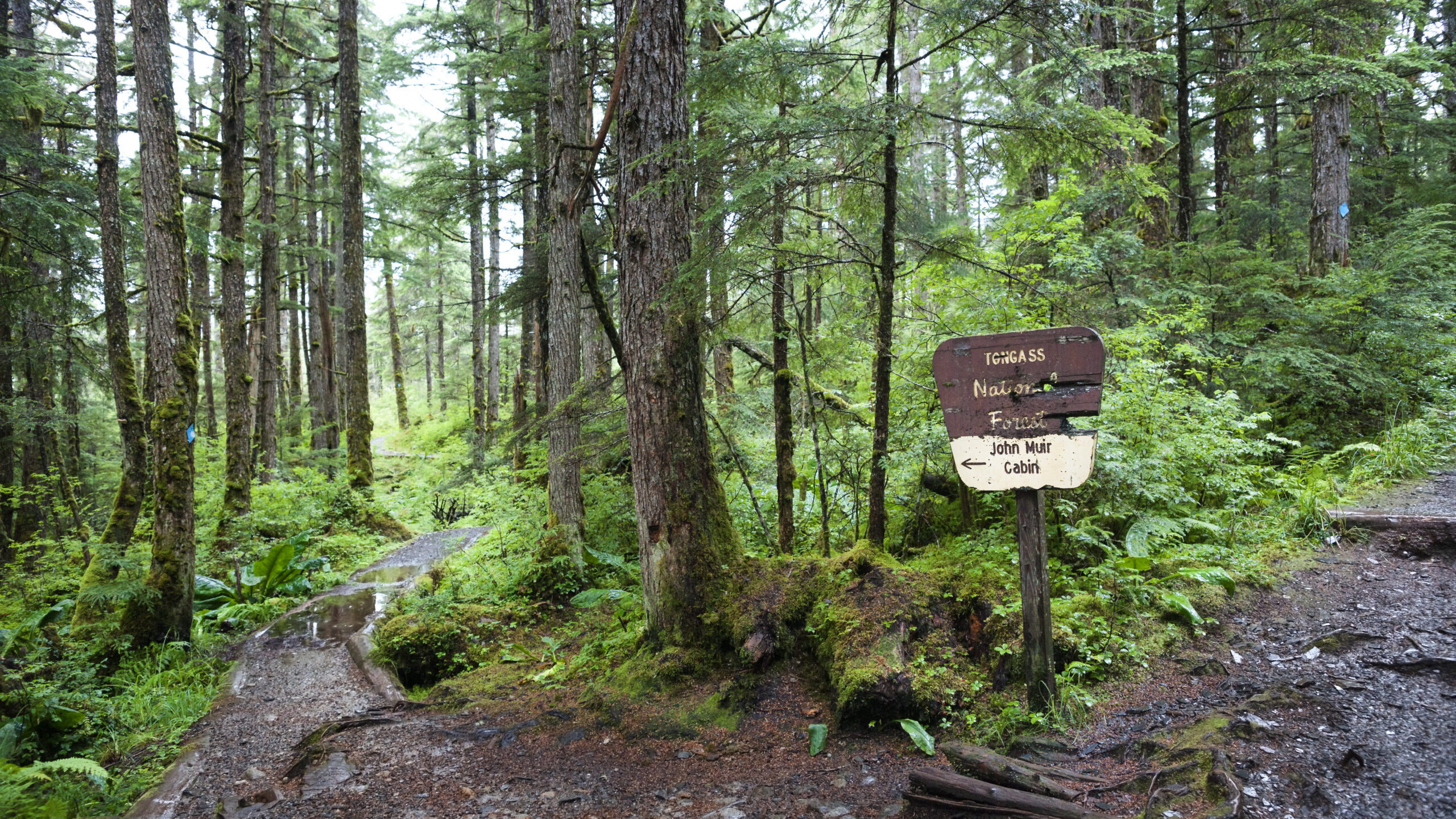
The Roadless Rule, established under President Bill Clinton, prohibits new road construction and commercial timber harvesting in inventoried roadless areas. It has historically enjoyed broad public support, receiving more public comments than any other rule in history. The rule's protections extend to over 58 million acres across 38 states and Puerto Rico, with significant portions in western states and Alaska, including 14.7 million acres in southeast Alaska's Tongass National Forest.
Ecologists Mariah Meek and Travis Belote emphasize that these roadless areas are crucial for maintaining forest health, providing vital habitat for numerous species, and protecting watersheds that supply drinking water to approximately 47 million Americans. They highlight that roads can lead to invasive species spread, soil erosion, habitat fragmentation, and increased fire risk. Furthermore, culverts required for roads crossing streams often impede fish passage, negatively impacting aquatic ecosystems.
The proposed rollback is expected to be formalized in 2026, opening these undeveloped lands to potential development. A 30-day public comment period is scheduled once the proposal is published in the Federal Register. Concurrently, legislative efforts are underway in Congress to permanently remove the Roadless Rule through an amendment to the Wildfire Prevention Act, despite continued public opposition to its rescission.