Key facts
- Toto will invest 80 billion yen ($495 million) over five years in its semiconductor materials business.
- The investment targets support for 1-nanometer chipmaking technologies.
- Japan aims to increase domestic chip sales to 15 trillion yen annually by 2030.
- Rapidus plans to start mass production of 2-nanometer chips by 2027.
- Rapidus has received over $2 billion in government funding for its chip production goals.
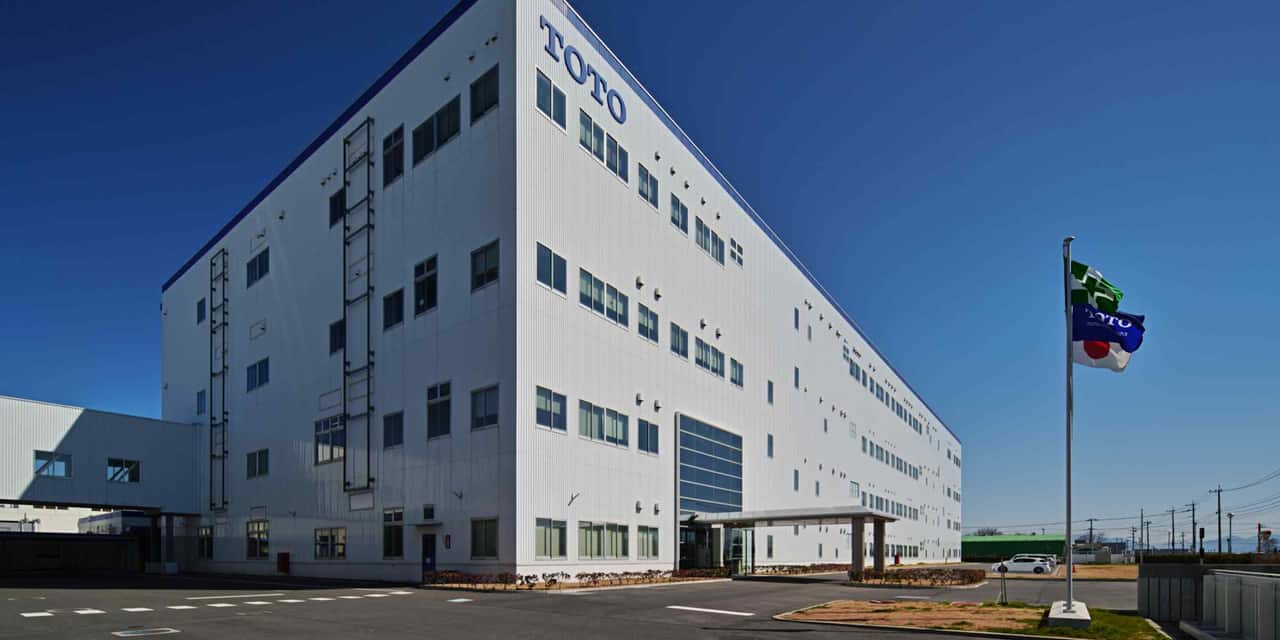
Japanese bathroom fixtures maker Toto plans to invest 80 billion yen ($495 million) over the next five years to expand its semiconductor materials business, aiming to support next-generation chipmaking technologies in the 1-nanometer range. This move aligns with Japan's broader strategic push to revive its domestic chip industry and diversify global supply chains.
Japan has outlined an ambitious plan to bolster its semiconductor sector, pledging over 10 trillion yen (approximately $65 billion) in financial support by 2030. The government's objective is to triple annual sales of domestically produced chips to 15 trillion yen (around $100 billion) by the end of the decade. A key beneficiary of this initiative is Rapidus, a state-backed chip venture established in 2022.
Supported by major Japanese corporations including Toyota and Sony, and in collaboration with IBM and Imec, Rapidus is targeting the mass production of advanced 2-nanometer (nm) logic chips by 2027. The company has secured more than $2 billion in government funding for this endeavor. Rapidus has activated its pilot production line in Hokkaido and aims to deliver its first prototypes as early as July. Rapidus chairman Tetsuro Higashi has stated the company represents Japan's final opportunity to regain a leading position in the global semiconductor market.
Historically, Japan dominated the global semiconductor market in the 1980s and 1990s, particularly in memory chips and equipment. However, it lost ground to competitors like Samsung and TSMC in the early 2000s due to factors including insufficient investment in new technologies and outdated infrastructure. By 2022, Japan's share of global chip output had fallen to 9% from over 50% in 1989. Despite this decline, Japan remains a leader in specialized materials and fabrication tools, providing a foundation for its revival efforts.