Key facts
- Foreign investors and entrepreneurs are visiting China in large numbers to observe its technological advancements.
- These visits are driven by fears of a "China shock 2.0" and the rapid progress of Chinese companies in AI, robotics, and EVs.
- A growing industry of tour organizers charges thousands of dollars for access to Chinese factories and innovation hubs.
- China's industrial tourism sector is experiencing significant growth, with projections of reaching $44.6 billion by 2029.
- Beijing is actively promoting industrial tourism, designating demonstration sites and offering factory tours.
- Despite U.S.-China tensions, American companies continue to source components from China, highlighting the difficulty of decoupling.
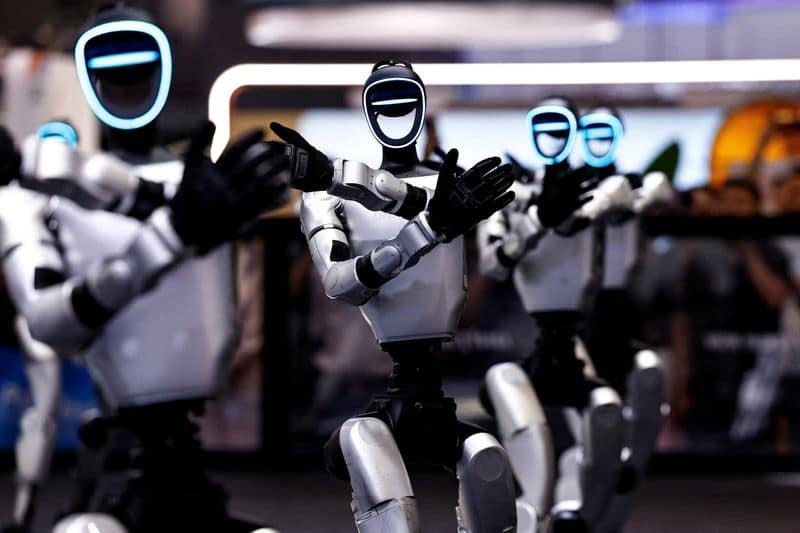
A growing number of foreign investors, entrepreneurs, and executives are making costly trips to China to witness its advancements in areas like humanoid robots, AI models, and electric vehicle production. This influx is fueled by concerns of a potential "China shock 2.0," where Chinese companies could seize a leading position in global technology and manufacturing.
This trend has spurred the growth of a niche industry offering organized tours, with prices reaching up to $15,000 for multi-day programs. Participants, including representatives from prominent U.S. investment firms and tech personalities, seek firsthand insights into China's innovation ecosystem. Broader industrial tourism in China is also booming, with state media reporting significant revenue and projected growth.
Organizers and participants emphasize that understanding the scale and speed of Chinese innovation requires on-the-ground observation. Many visitors, particularly from Europe, are motivated by sluggish domestic productivity and fears of falling behind in AI and robotics, seeking to learn from China's technological progress and its state-backed investment strategies. However, some observers note that non-Chinese companies still hold significant global market share and intellectual property.
Despite escalating U.S.-China technological tensions, the flow of visitors, including Americans, remains strong. Manufacturing consultants highlight the continued reliance on Chinese components for U.S. robotics companies, underscoring the difficulty of complete decoupling. Shenzhen, in particular, is actively promoting itself as a hub for Chinese innovation, preparing to host the Asia-Pacific Economic Cooperation forum and seeing a substantial rise in foreign visitor numbers.