Key facts
- AI glasses can function as tour guides, cameras, and translators.
- Technical issues are hindering mass adoption of AI glasses.
- Chinese consumers primarily get AI glasses information via social media.
- Huawei, Xiaomi, and Google lead brand awareness in the AI glasses market.
- Chinese manufacturers are projected to capture 45% of the global AI glasses market in 2026.
- China's national subsidy program offers a 15% discount on AI glasses.
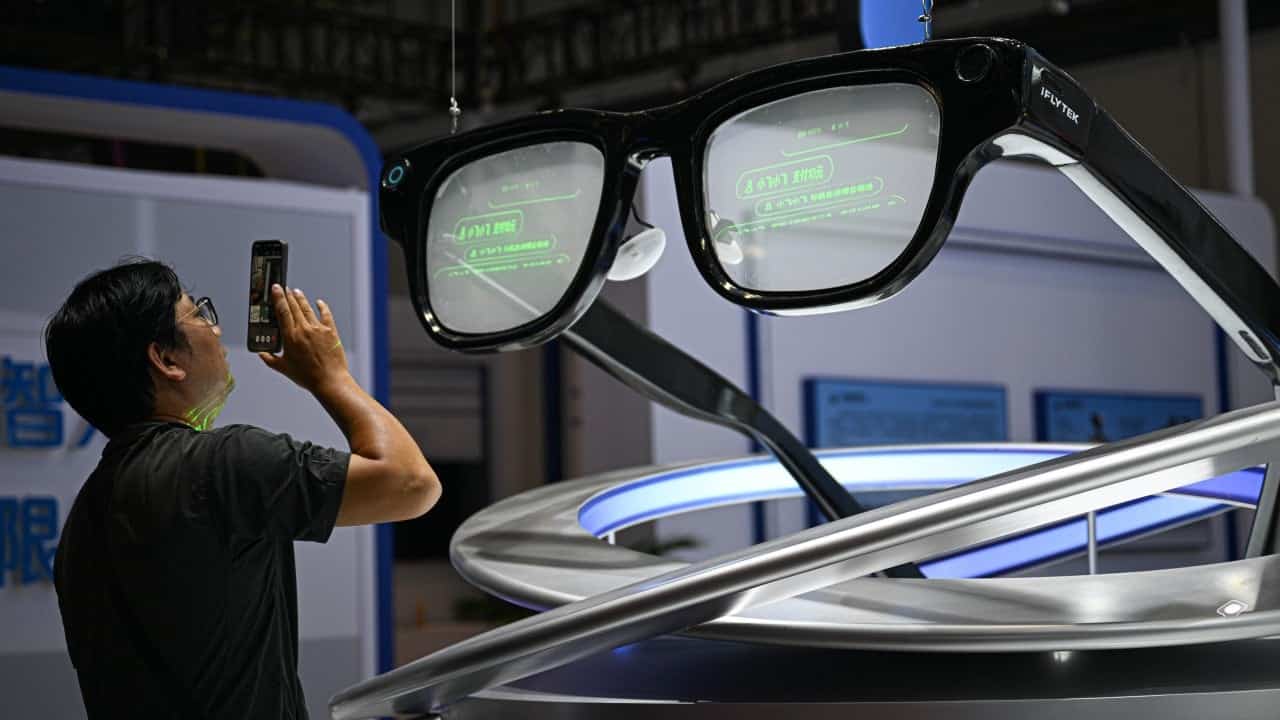
AI-powered glasses are emerging as potential travel companions, offering features like tour guiding, hands-free photography, and language translation. While these devices are becoming more affordable in China, technical challenges are hindering their widespread adoption. Analysts suggest that while the technology is improving and more devices are entering the market, the gear still faces hurdles to mass consumer acceptance.
A report by iResearch Inc. analyzed China's AI glasses industry, covering technology, manufacturing, and market trends. A survey of 868 Chinese consumers conducted in May 2025 revealed that social media is the primary source for product information, with 66.9% of users relying on it. VR smart glasses currently hold higher category awareness than AR and AI glasses. Huawei, Xiaomi, and Google lead in brand awareness.
The survey indicated that primary respondents are predominantly male, aged 31-40, residing in higher-tier cities, and many already wear corrective eyeglasses. The AI glasses market is seeing significant investment and competition among Chinese tech companies, with some viewing them as the next generation personal computing platform. Alibaba and China Unicom have launched their own AI eyewear. Market researcher IDC forecasts that Chinese manufacturers will account for 45% of the global AI glasses market in 2026, with shipments reaching 22.67 million units. China's inclusion of AI glasses in a national subsidy program, offering a 15% discount, is expected to further drive adoption.