Key facts
- Ukraine's defense operations reduced Russia's territorial advances by over half in the first six months of 2026.
- Commander Oleksandr Syrskyi stated Russia failed to achieve its offensive objectives despite a significant advantage.
- Russian forces are suffering average monthly losses of around 32,000 killed and wounded.
- Ukraine's Deep Strike campaign hit 697 targets inside Russia, causing at least $6.1 billion in economic damage.
- Russia's Foreign Minister Sergey Lavrov stated Russia will continue the war until its territorial demands are met.
- Ukraine and Moldova will take the next step in their EU accession process on July 14.
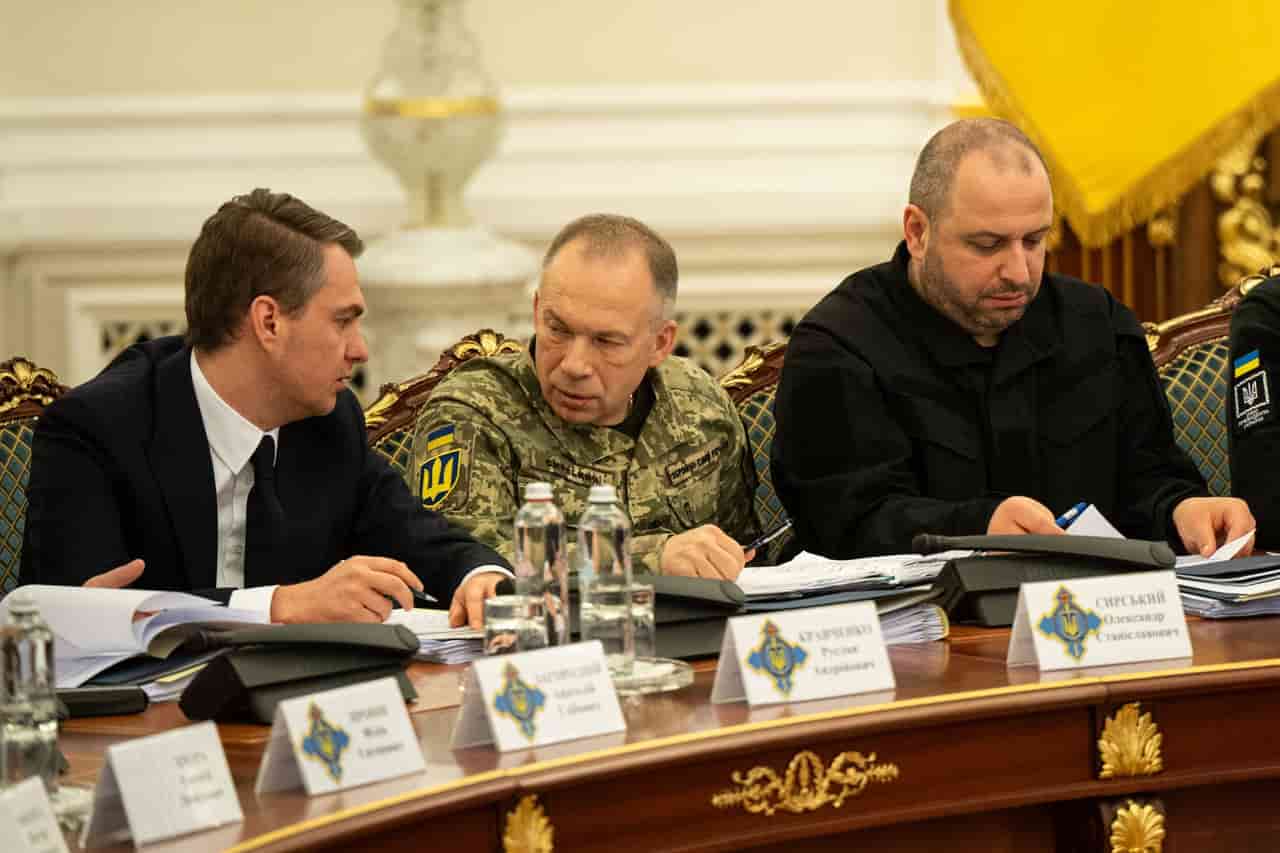
Ukraine's defense operations significantly slowed Russia's territorial advances in the first half of 2026, with Commander-in-Chief Oleksandr Syrskyi reporting a reduction of more than half. Despite Russia's substantial advantage in personnel and equipment, its offensive operations were confined to fewer directions, and Ukraine continues to inflict heavy monthly casualties.
Syrskyi stated that Russia's large-scale offensive attempts failed to achieve their objectives, with the number of operational directions reduced from 13 to six or seven. He noted that Ukrainian forces are maintaining the initiative in some sectors and that the ratio of Ukrainian assault operations to enemy operations is approximately 40 to 60. The sides have effectively approached parity in the rate of advance, with a trend toward Ukraine liberating more territory.
Russian forces are reportedly suffering average monthly losses of around 32,000 killed and wounded as part of Ukraine's strategy to exhaust the aggressor. However, Syrskyi cautioned against underestimating the enemy, emphasizing that a turning point in the war is still distant. Russia has not abandoned its goal of fully occupying Luhansk and Donetsk oblasts and is seeking to expand operations in Dnipropetrovsk and Zaporizhzhia, while also attempting to create a buffer zone in northern regions.
Syrskyi also warned of increased Russian missile and drone attacks, guided aerial bombs, and crimes against civilians. Ukraine's long-range strike campaigns during the first half of the year hit 697 targets inside Russia, causing at least $6.1 billion in economic damage, and another 7,028 targets through its Middle Strike campaign. Ukrainian artillery conducted over 456,000 fire missions, missile forces launched more than 1,140 strikes, and the Air Force conducted over 1,100 strikes.
In personnel management, Syrskyi instructed commanders to ensure troops are rotated from front-line positions at least every 60 days to maintain combat effectiveness and soldier welfare. Criminal offenses within Ukraine's military decreased by 12% in the first half of the year.
Meanwhile, Russian Foreign Minister Sergey Lavrov stated on July 9 that Russia will continue its war until its territorial demands are met and no longer trusts Western peace efforts. These comments contrast with recent statements by U.S. President Donald Trump, who indicated that Russian President Vladimir Putin is ready to end the war. Lavrov accused the West of feigning willingness to negotiate, and Kremlin spokesperson Dmitry Peskov warned of broadening military operations in response to Ukrainian drone attacks.
In parallel, Ukraine and Moldova are set to take the next step in their EU accession process on July 14, with ambassadors agreeing to formally open negotiations on another of the six required clusters. This progress, however, has faced delays due to opposition from some EU countries, notably Hungary.