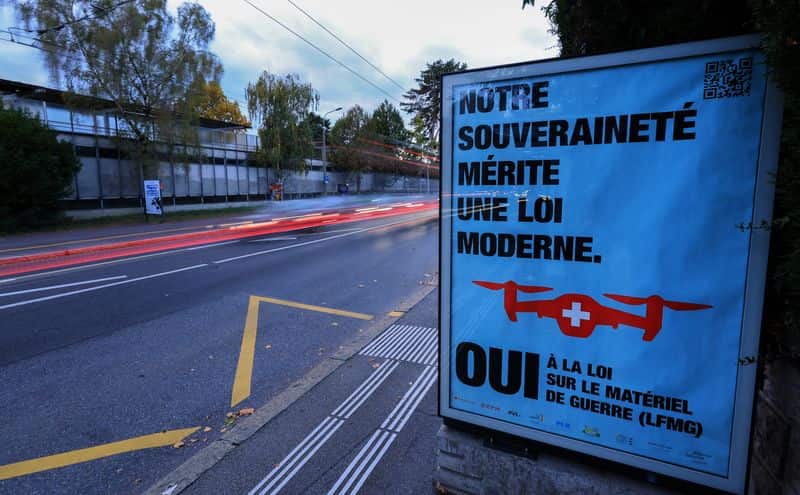
Key facts
- The proposal, backed by the Swiss government, would allow Bern to send weapons to 36 western countries, even if involved in conflicts.
- The easing would not apply to Ukraine, which would remain blocked from receiving Swiss equipment directly or indirectly.
- Switzerland follows the 1907 Hague Conventions on neutrality, which bar participation in armed conflicts unless directly threatened.
- European countries were blocked by Bern from sending previously bought Swiss ammunition and combat vehicles to aid Kyiv.
- France's defence minister said on November 27, 2026 that industrial collaboration opportunities would be reduced if restrictions remained.
Swiss voters will decide on Sunday whether to ease restrictions on weapons exports, a question that touches the country's traditional neutrality and the future of its arms industry, Reuters reported on November 29, 2026.
Switzerland follows the 1907 Hague Conventions on neutrality, which prevent it participating in armed conflicts unless directly threatened, or providing military support to any of the parties. The stance has come under strain following Russia's 2022 invasion of Ukraine, with European countries blocked by Bern from sending previously bought Swiss ammunition and combat vehicles to aid Kyiv. Swiss arms exports plunged in 2023 and 2024 as countries avoided the weaponry, raising concerns about the local arms industry and Switzerland's ability to defend itself.
The Swiss parliament voted last year to reduce restrictions on war materiel exports, sparking a referendum from opponents under the country's tradition of direct democracy. The proposal, backed by the Swiss government, would allow Bern to send weapons to 36 western countries, even if they were involved in conflicts, a move previously prohibited under neutrality laws. It would also allow Switzerland to sell weapons to countries without demanding a clause for Bern's permission to allow re-export of previously purchased equipment. The easing of curbs would not apply to Ukraine, which would remain blocked from receiving Swiss equipment directly or indirectly.
Supporters say the changes are vital to uphold Switzerland's defence capabilities and protect its arms industry. Opponents say any relaxation would undermine Swiss neutrality, and could lead to more of its weapons being used in civil wars. France's defence minister said on Friday that opportunities for industrial collaboration in future would be reduced if the restrictions remained.
Before the vote, voting intentions were finely poised, with 49% in favour of easing the restrictions and 48% against, according to a survey by newspaper group Tamedia.