Key facts
- Energy Secretary Chris Wright announced oil flow through the Strait of Hormuz is nearing normal.
- Shipping data showed a sharp fall in vessel transits on Sunday after Iran announced it had again closed the waterway.
- Five vessels passed the strait on Sunday, down from 26 the previous day.
- The U.S. military is providing escorts for vessels through a southern route.
- President Trump threatened further action against Iran if its proxies in Lebanon continue to cause trouble.
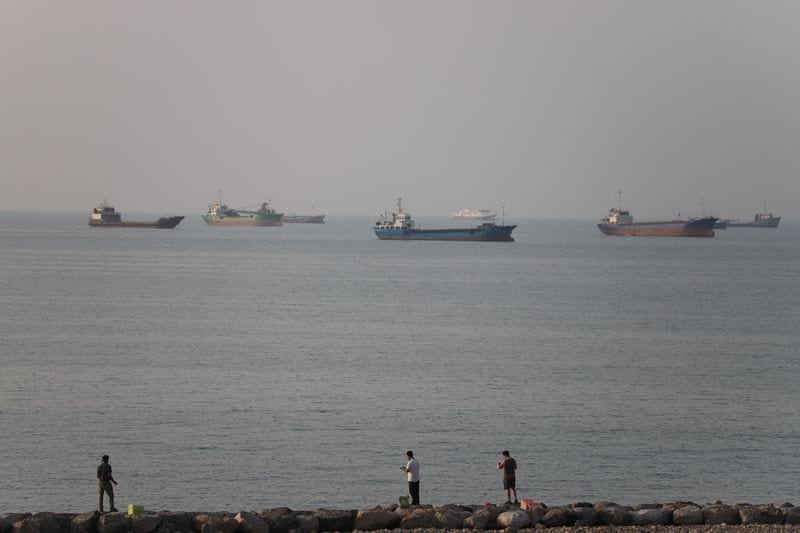
Energy Secretary Chris Wright stated that oil flow through the Strait of Hormuz is nearing normal, with increased ship traffic despite Iran's actions. This comes as shipping data showed a sharp fall in vessel transits on Sunday after Iran announced it had again closed the waterway, citing Israeli and U.S. violations of an interim peace deal. Five vessels passed the strait on Sunday, down from 26 the previous day, according to data from analytics firm Kpler. The U.S. military stated that commercial vessels were still operating and providing escorts through a southern route.
Previously, Vice President Vance told Fox News that there was no evidence of Iran blocking the Strait of Hormuz and highlighted record oil movement through the corridor in the preceding 24 hours. Vance is currently in Switzerland for mediated talks with Iranian officials concerning Iran's nuclear program, following a U.S.-Iran memorandum of understanding that initiated a 60-day period for a final agreement.
Gas prices in the U.S. remain elevated compared to pre-conflict levels, with the national average for regular gasoline at approximately $3.93 per gallon. While lower than a month ago, this is about 70 cents higher than the average in June of the previous year. Wright declined to predict when prices would return to pre-war levels but stated they would continue to decrease.
President Trump issued a warning to Iran on Sunday, referencing the conflict between Israel and Hezbollah and the U.S.-Iran ceasefire. He demanded that Iran cease its proxies' actions in Lebanon, threatening harsher U.S. military action if they did not comply.