Key facts
- South Korea's electricity demand hit a yearly high of 95.321 gigawatts on Friday due to a prolonged heat wave.
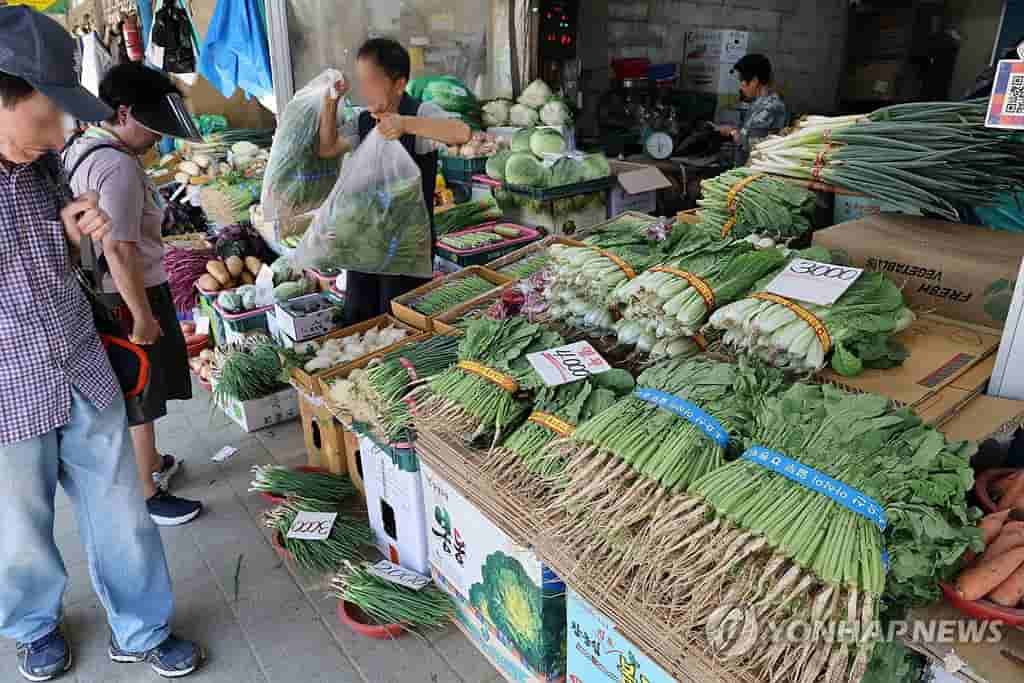
- Retail prices for spinach increased by 152.3% in the past month.
- Over 900,000 livestock and nearly 865,000 fish have died due to the heat wave and warming ocean temperatures.
- The government has increased energy supply and prepared additional reserve capacity to meet demand.
South Korea is grappling with a severe heat wave that has led to a surge in food prices and record-high energy demand. The country's maximum electricity demand reached 95.321 gigawatts on Friday, the highest for the year, as citizens rely heavily on air conditioning.
The extreme weather has devastated agricultural and livestock sectors. Retail prices for staple vegetables like spinach, cucumbers, and blue lettuce have seen significant increases over the past month. Spinach prices, in particular, surged by 152.3%. The heat has also caused the deaths of over 900,000 livestock, predominantly poultry, and nearly 865,000 fish due to warming ocean temperatures. The average auction price for flounder has also seen a notable increase both week-on-week and year-on-year.
In response to the escalating energy demand, the government has increased the overall energy supply by 2 gigawatts compared to the previous year and has secured an additional 8.8 gigawatts of reserve capacity. Officials expect electricity demand to continue rising as the high temperatures are forecast to persist. The Korea Power Exchange (KPX) stated that power supply and demand are being managed stably, with no major disruptions reported in nuclear or solar power generation.