Key facts
- DAPA approved the basic acquisition strategy for the Jangbogo N program, setting a 2027 start and first delivery in the late 2030s.
- A defense acquisition official said Seoul is pursuing a separate arrangement under Section 91 of the US Atomic Energy Act for submarine fuel.
- The official cited AUKUS as a precedent and said the two countries have held one vice ministerial consultation.
- Ewha Womans University professor Leif Eric Easley said Trump's backing does not remove technical, legal and nonproliferation requirements facing congressional scrutiny.
- Sejong Institute researcher Shin Beom-chul said nonproliferation advocates among Democrats could add constraints to the project.
- Asan Institute researcher Chun Kyung-joo said the nuclear submarine issue should be pushed to the bottom of the alliance agenda.
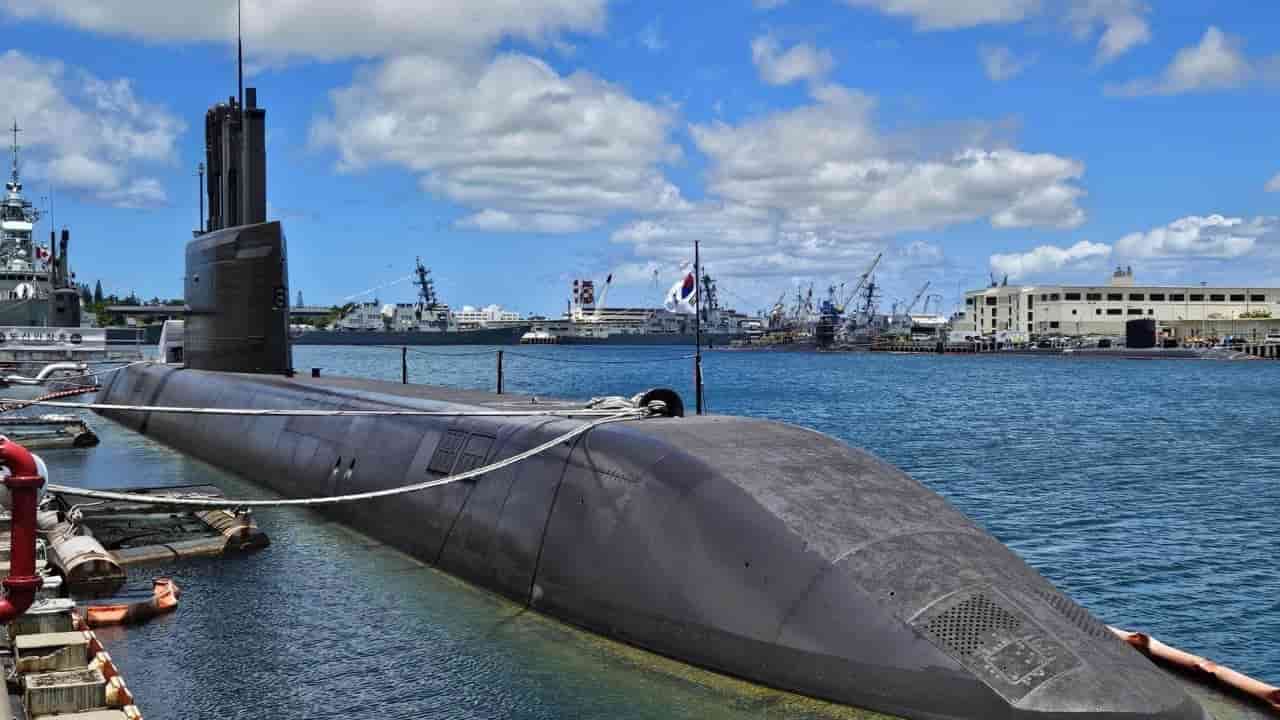
South Korea's Defense Acquisition Program Administration approved the basic acquisition strategy for its Jangbogo N nuclear-powered submarine program on November 6, 2026, according to The Korea Times. The approval sets a 2027 start for design work and targets delivery of the first boat in the late 2030s. The primary report put the initial design budget at 96.6 billion won ($72.5 million).
The decision covers how the project proceeds, not how Seoul obtains the reactor fuel the submarines require. A defense acquisition official said Seoul believes it can secure submarine fuel without revising its existing nuclear cooperation agreement with Washington, pursuing instead a separate arrangement under Section 91 of the US Atomic Energy Act, which provides for military nuclear cooperation. The official cited AUKUS, under which the US and Britain are helping Australia acquire nuclear-powered submarines, as a precedent. Negotiations have not produced a deal; the countries have held one vice ministerial consultation involving the foreign ministry, the official said, declining to disclose further details.
Democrats won control of both chambers of Congress in midterm elections held in the week before November 8, 2026. Leif Eric Easley, a professor at Ewha Womans University, said Trump's support for South Korean nuclear-powered submarines, civilian uranium enrichment and spent-fuel reprocessing is significant, but implementation involves technical, legal and nonproliferation requirements that will face congressional scrutiny. Shin Beom-chul, a Sejong Institute researcher and former vice defense minister, said many Democrats are nonproliferation advocates and additional constraints could emerge for the submarine project and efforts to revise the nuclear cooperation agreement. A defense official, asked about congressional scrutiny, pointed to longstanding bipartisan support for the alliance.