Key facts
- Ghalibaf said China's role in ending the war and the "neither war nor peace" situation is significant.
- Ghalibaf serves as Iran's special representative for China affairs and heads Tehran's negotiating delegation with Washington.
- Tehran and Washington remain at odds over sanctions relief, security guarantees and arrangements concerning the Strait of Hormuz.
- Ghalibaf said the proposed body would set strategic priorities, speed decision-making, resolve institutional disputes and monitor major projects.
- Ghalibaf called for turning the 25-year comprehensive cooperation agreement with China into tangible projects.
- Ghalibaf identified four priorities: ending the war, shaping a new regional order, coordination in international institutions and economic and technological ties.
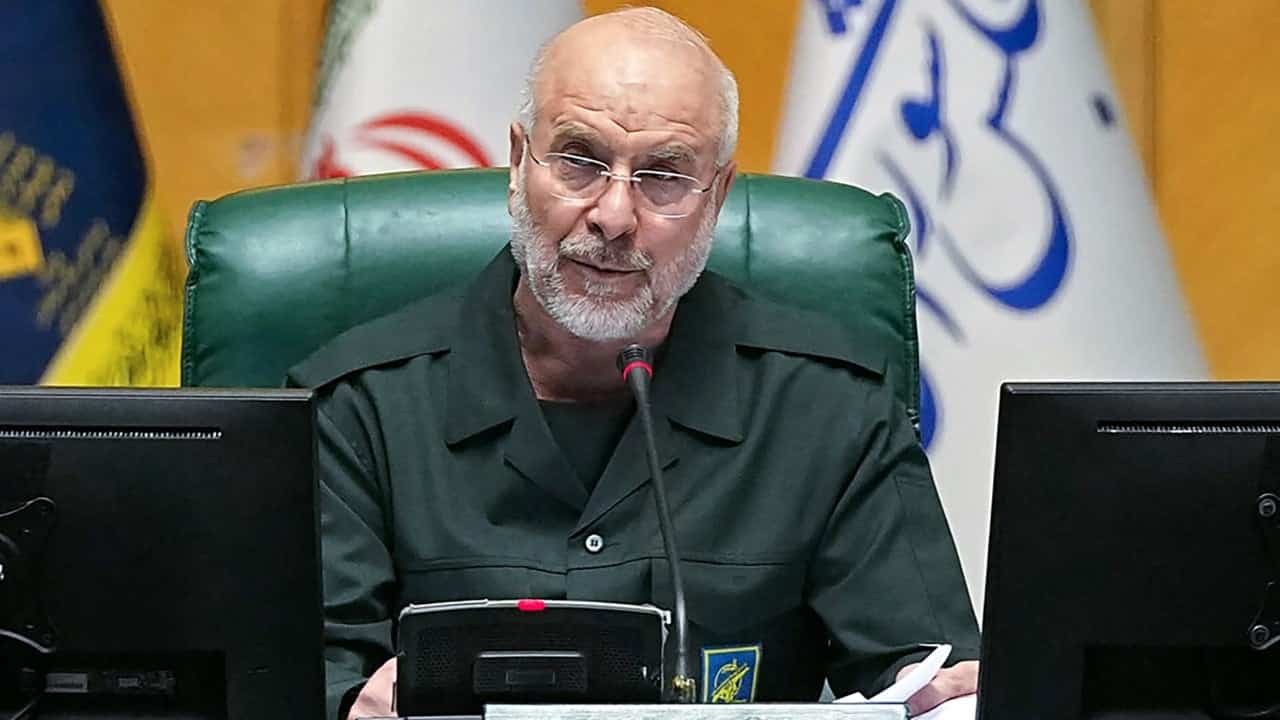
Iranian Parliament Speaker Mohammad Bagher Ghalibaf urged China to use its diplomatic influence to help end the war with the United States and break the prolonged "neither war nor peace" deadlock between Tehran and Washington, in an article published November 10 on his personal website.
Ghalibaf, who also serves as Iran's special representative for China affairs and heads Tehran's negotiating delegation with Washington, wrote that China's role in ending the war and the current situation is significant. He argued that Beijing's ties with Iran and Arab countries give it an opportunity to strengthen regional stability and help shape a new regional order, saying the conflict had exposed the limits of relying on foreign powers for regional security.
Tehran and Washington remain at odds over the terms of a lasting settlement following the war, which began with US-Israeli military attacks against Iran on February 28, according to the report. Disagreements over sanctions relief, security guarantees and arrangements concerning the Strait of Hormuz continue to hamper efforts to reach a settlement.
Ghalibaf said Tehran plans to establish a high-level body to coordinate its engagement with Beijing across government institutions and the private sector. He said the proposed structure would set strategic priorities, accelerate decision-making, resolve institutional disputes and monitor major cross-sectoral projects without assuming the responsibilities of existing government agencies.