Key facts
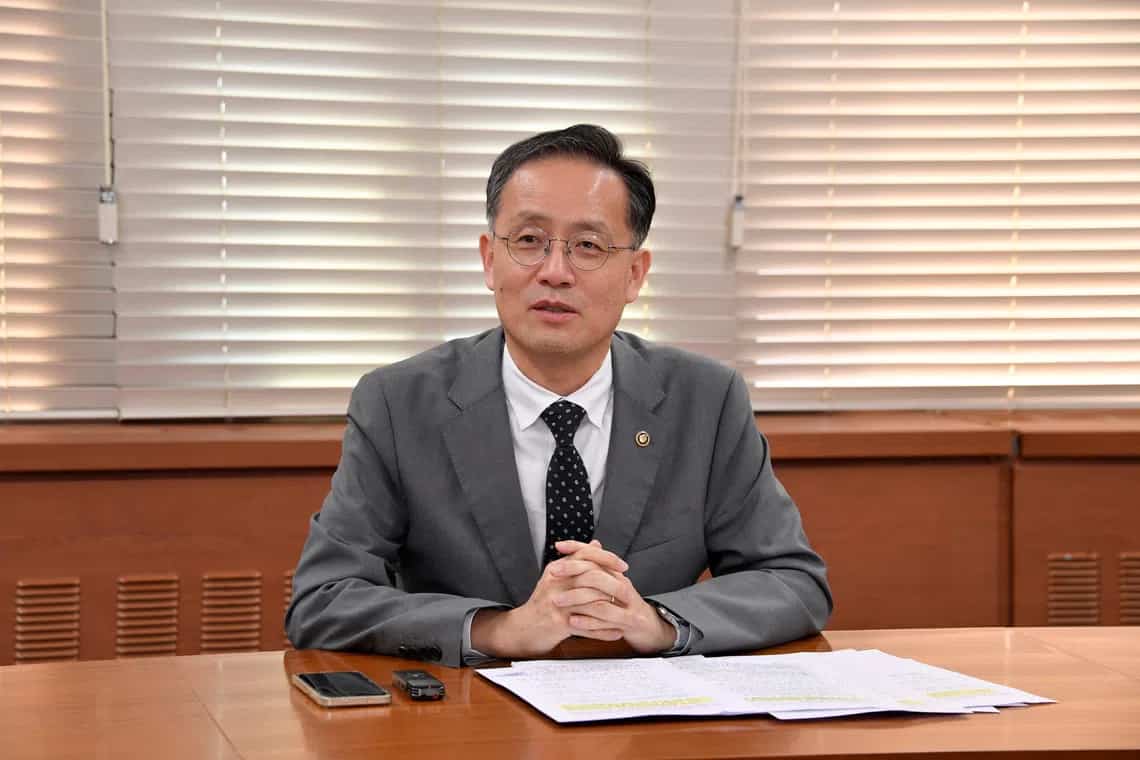
- Lee Hyoung-il has been nominated as South Korea's new finance minister.
- President Lee Jae Myung conducted a major cabinet reshuffle, nominating six new ministers.
- Kang Shin-chul was nominated as the new defense minister.
- Kim Seung-won, a ruling party lawmaker, was named the new justice minister.
- The reshuffle is the first since President Lee took office and occurs amid falling approval ratings.
- New nominees are expected to undergo confirmation hearings at the National Assembly.
President Lee Jae Myung has initiated a significant cabinet reshuffle, nominating Vice Finance Minister Lee Hyoung-il as the new finance minister. This move is part of a broader shake-up that includes five other new ministerial appointments, such as Kang Shin-chul as defense minister and Rep. Kim Seung-won as justice minister. The reshuffle, announced by presidential chief of staff Kang Hoon-sik, is the first major one since Lee took office last June and comes as his approval ratings have declined amid concerns over housing prices and stock market volatility.
Other nominations include Hong Jee-sun as land minister, Rep. Yong Hye-in as gender equality minister, and Rep. Lee So-young as minister for small and medium-sized enterprises. Lee Won-ju was nominated for a newly created presidential aide role focused on a "megaproject" initiative aimed at promoting large-scale investments in semiconductors and AI facilities.
Presidential officials described the nominees as possessing "dynamism and expertise" to drive tangible changes and lead the country forward. The new finance minister nominee is noted for his policy expertise, with hopes he will address economic polarization and foster stable growth. The defense minister nominee is expected to bolster self-sufficient defense capabilities within the US alliance, while the justice minister nominee will focus on the new criminal justice system and victim rights.
Nominees are subject to confirmation hearings in the National Assembly. Former South Gyeongsang Gov. Kim Kyoung-soo was appointed special aide for political affairs, and Rep. Lee Hai-min will serve as presidential secretary for AI policy and future planning. President Lee has emphasized the need for innovation in future industries like AI.