Key facts
- South Korea's revised Network Act, effective Tuesday, aims to curb online disinformation.
- Users intentionally spreading illegal false or manipulated information could face damages up to five times the actual cost.
South Korea has enacted a revised Network Act to combat online disinformation, imposing stricter penalties for repeat offenders and requiring platforms to establish reporting systems. Critics warn the law could stifle free speech and lead to censorship.
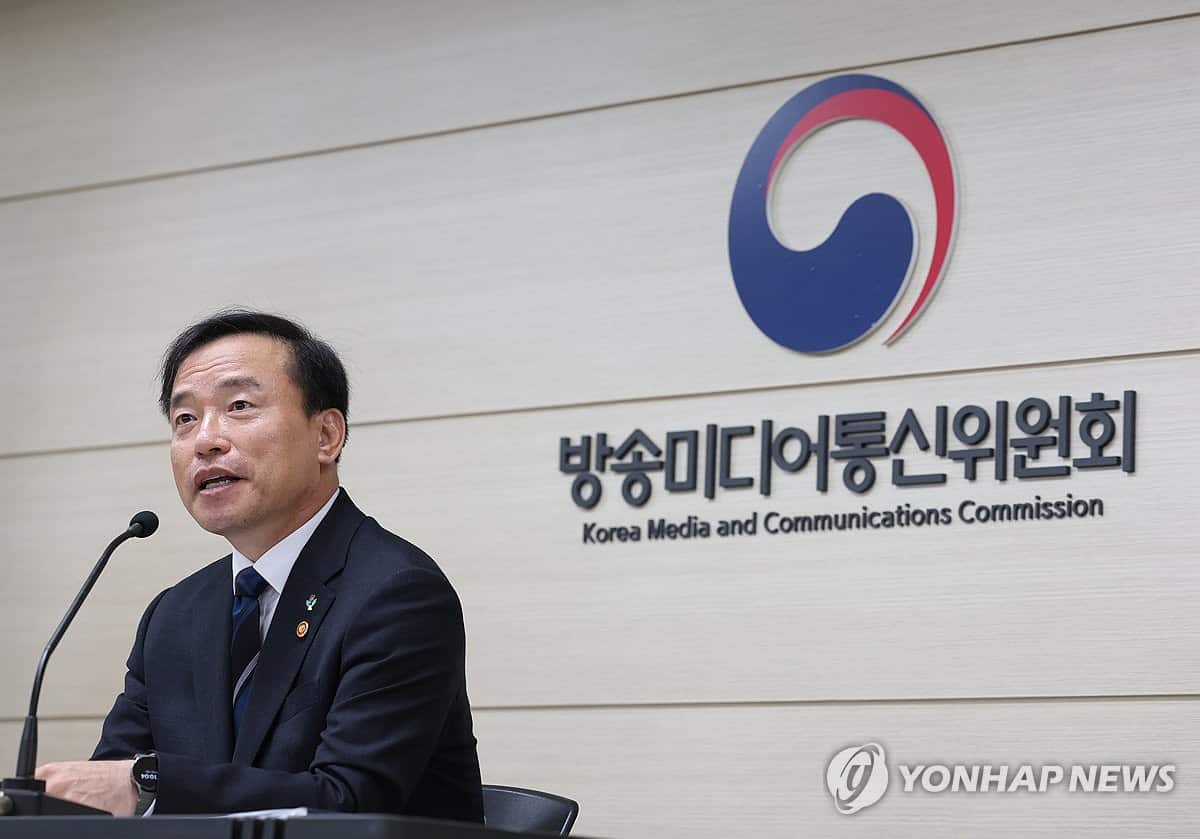
The new law aims to address the proliferation of online falsehoods but faces criticism for potentially infringing on free speech and enabling censorship, highlighting a global challenge in balancing online content regulation with democratic principles.
South Korea began enforcing a revised Network Act on Tuesday, designed to curb the spread of online disinformation through punitive damages and platform responsibilities. The law allows courts to award damages up to five times the proven losses against news organizations and large social media channels, including YouTube creators, that circulate illegal, false, or manipulated information causing harm or profit.
Individuals who distribute information confirmed as false or manipulated more than twice could face fines of up to 1 billion won (€573,000) from the country’s media regulator. Internet companies operating platforms with over 1 million daily users are mandated to implement measures such as content removal or account suspension upon receiving reports of false or fabricated information.
The legislation comes amid growing concern over digital misinformation in the country, including high-profile cases involving celebrities. Critics, including opposition politicians and media experts, warn that the law could chill free speech and open the door to government-influenced censorship, citing the lack of a clear legal definition for false or manipulated information.
The main opposition People Power Party (PPP) has argued that platforms will censor content to avoid clashing with the government, while users will self-censor. PPP spokesperson Cho Yong-sool stated that the world will see platform companies excessively removing information, stifling investigative journalism, and making it difficult for citizens to speak their minds. The Journalists Association of Korea also called for safeguards to ensure public-interest reporting and news-gathering are not suppressed.
Pick the topics you care about. Get only what matters, on your cadence.