Key facts
- President Trump claims his tariffs have driven foreign automakers to build U.S. plants.
- Automakers are building factories in the U.S. to avoid paying tariffs, according to Trump.
- South Korean trade association KITA requested the USTR to defer or lower proposed tariffs related to forced labor.
- The USTR proposed 12.5 percent tariffs on South Korea and other nations over alleged forced labor concerns.
- KITA argued that South Korea strictly prohibits forced labor and requested a lower tariff rate or deferral.
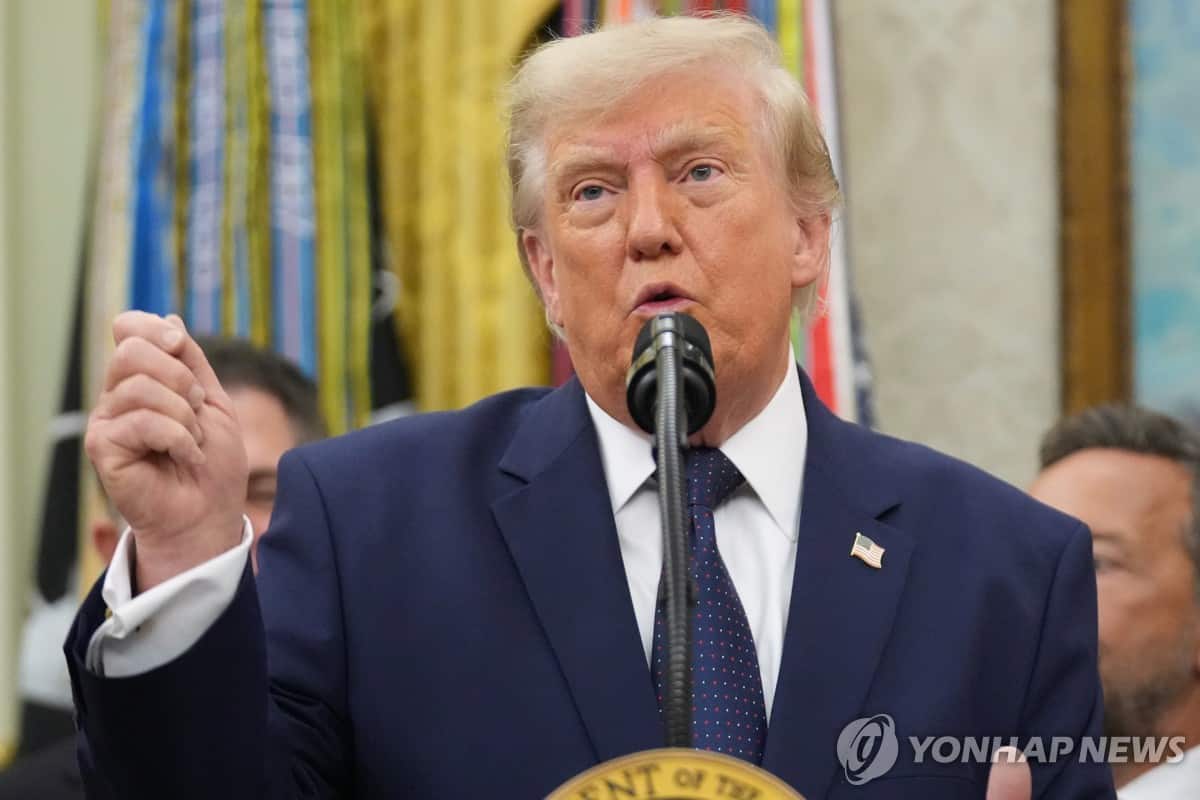
U.S. President Donald Trump asserted that his administration's tariff policies have successfully encouraged South Korean, Japanese, and German automakers to establish manufacturing plants within the United States. Trump stated that these companies are building factories domestically to circumvent import duties.
"We've never built as many automobile plants. They are all over, and they are coming from all over the world. You know why? Because they don't want to pay tariffs. If they build their cars here, they pay no tariffs," Trump said. He added, "So Japan, instead of making them in Japan ... or South Korea ... instead of making them in Germany ... They are all building plants here now."
Hyundai Motor Group announced a $26 billion investment in the U.S. through 2028, amid this tariff pressure.
Separately, a South Korean trade association has requested the U.S. Trade Representative (USTR) to defer or lower proposed tariffs on South Korea concerning forced labor. The Korea International Trade Association (KITA) Chairman Yoon Jin-sik submitted comments arguing that Seoul strictly prohibits forced labor through international treaties and domestic laws. The USTR recently proposed 12.5 percent tariffs on South Korea and other economies for allegedly failing to enforce import bans on products made with forced labor, as part of trade investigations under Section 301 of the 1974 Trade Act.
KITA requested that the U.S. defer the implementation of additional duties on Korean products or reduce the rate to 10 percent, aligning it with economies that have demonstrated cooperation. The association also urged the exclusion of certain products from tariffs, particularly those with a low risk of forced labor involvement or lacking specific evidence of association with South Korea or causing material injury to U.S. commerce. KITA emphasized that while South Korea may not have an explicit import prohibition on goods with forced labor inputs as defined by the USTR, its regulatory framework strictly prohibits forced labor.