Key facts
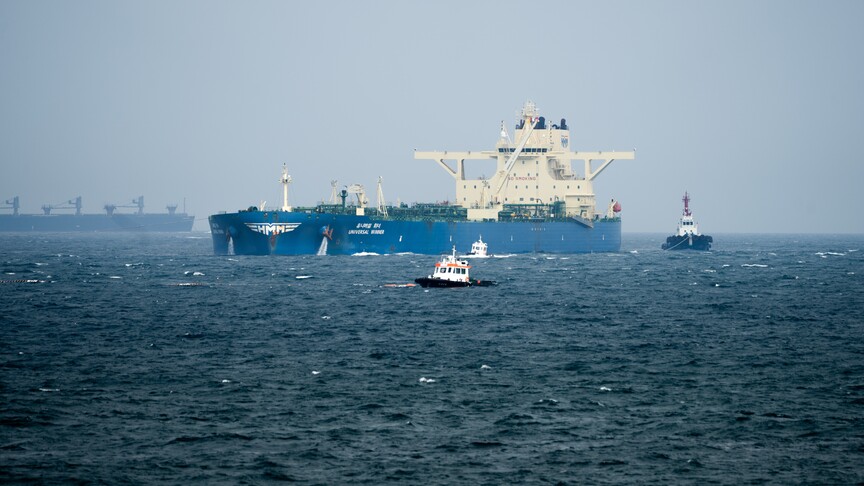
- Tanker traffic has resumed through the Strait of Hormuz following a U.S.-Iran memorandum and the lifting of a U.S. naval blockade.
- Commercial confidence remains fragile as insurers and shipowners assess the security situation.
- Lebanon poses the biggest risk to the agreement, with Israeli forces remaining in southern Lebanon and clashes continuing.
- President Trump negotiated a deal to reopen the Strait of Hormuz and begin talks on Iran's nuclear program.
- The Netherlands is redirecting a frigate to the Strait of Hormuz for a possible mission.
- Verified Strait of Hormuz crossings rose to 25 on June 18, indicating a maritime activity recovery.
Tanker traffic has resumed through the Strait of Hormuz following a U.S.-Iran memorandum and the lifting of the U.S. naval blockade. Commercial confidence remains fragile as insurers and shipowners assess whether the security situation is stable enough to normalize operations. Lebanon has emerged as the biggest risk to the agreement, with Israeli forces remaining in southern Lebanon and clashes continuing despite ceasefire commitments.
President Trump negotiated a deal to reopen the Strait of Hormuz and begin talks on Iran's nuclear program. The U.S. has lifted its naval blockade, and Iran and the U.S. have signed a 14-point memorandum, leading to tankers starting to move again through the strait. However, shipping companies and insurers need more confidence in the safety of the route before normalizing operations, especially given the ongoing situation in Lebanon.
Verified Strait of Hormuz crossings rose to 25 on June 18, indicating a maritime activity recovery. This followed a period where traffic had stalled again after the collapse of U.S.-Iran talks, reversing a brief reopening. The potential for a prolonged energy supply crunch has diminished with the planned reopening, but trade volumes are unlikely to return to full capacity this year.