Key facts
- Iran announced the closure of the Strait of Hormuz, citing Israeli attacks in Lebanon and alleged US ceasefire violations.
- The US military contradicted Iran's claim, stating that traffic continues to flow through the Strait of Hormuz.
- US and Iranian negotiators are meeting in Switzerland to discuss an interim agreement to halt the war.
- President Donald Trump threatened to impose American tolls in the Strait of Hormuz if a final deal with Iran is not reached within 60 days.
- The interim agreement includes a 60-day period of toll-free travel through the strait.
- Iran's Tasnim news agency stated the waterway would remain closed until a Lebanon ceasefire is respected and waivers for Iranian oil sales are issued.
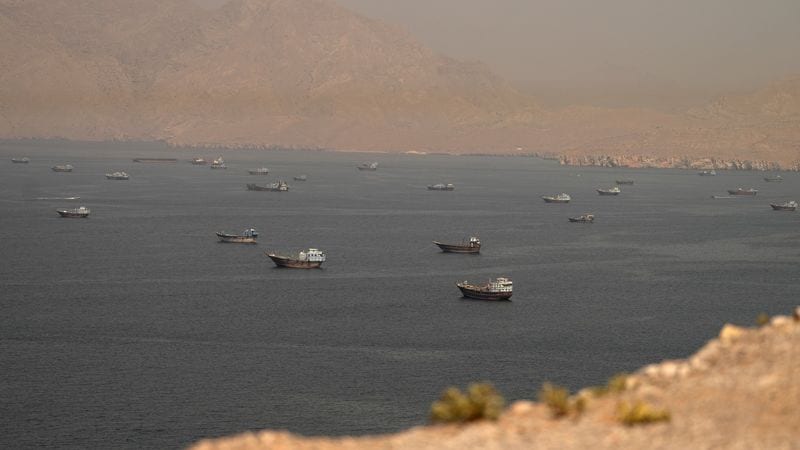
Iran's military announced the closure of the Strait of Hormuz, citing Israeli attacks in Lebanon and alleged US ceasefire violations. However, the US military contradicted this claim, stating that traffic continues to flow normally through the crucial waterway. The conflicting announcements come as US and Iranian negotiators are set to meet in Switzerland for talks aimed at adding key details to an interim agreement to halt the war.
President Donald Trump issued a threat to impose American tolls in the Strait of Hormuz if a final deal with Iran is not reached within 60 days, during which toll-free travel is stipulated. The interim agreement, brokered with the help of Qatar and Pakistan, aims to de-escalate hostilities, particularly between Israel and Hezbollah.
Escalating clashes in southern Lebanon have led to significant casualties. Israeli strikes have killed at least 16 people, including children, while Hezbollah has fired over 50 projectiles at Israeli forces. The overall death toll in the conflict has now surpassed 4,000. Hezbollah has stated that Iran will not reopen the strait until Israel publicly commits to a comprehensive ceasefire, while Israel maintains its military operations are defensive.