Key facts
- A ceasefire between Hezbollah and Israel has largely held in Lebanon since Saturday evening.
- Displaced residents remain hesitant to return home due to fears of renewed hostilities.
- The conflict has resulted in over 4,000 deaths in Lebanon since March 2.
- Approximately 1.2 million people have been displaced in Lebanon.
- U.S. and Iranian officials reported progress in talks aimed at de-escalating the conflict.
A ceasefire between Hezbollah and Israel has largely held in Lebanon, marking the longest lull in three months of conflict. However, fear of renewed hostilities persists, preventing displaced people from returning to their homes.
A senior Lebanese security official described adherence to the ceasefire as "almost total" since Saturday evening, though isolated incidents like an Israeli tank firing shells and Israeli forces using sound grenades were reported. An Israeli drone was also observed over Beirut.
The conflict has tested interim U.S.-Iran agreements, with Tehran announcing the closure of the Strait of Hormuz, a move disputed by U.S. officials. U.S. Vice President JD Vance indicated progress in talks aimed at ending hostilities in Lebanon and confirmed the Strait remains open.
Despite the relative calm, residents remain uneasy. A hospital director in Nabatieh noted the current ceasefire is the longest yet, but recalled a previous one that collapsed quickly, leading to significant casualties. The municipal council of Zawtar El Charqiyeh advised residents against returning until safety is assured.
Israeli forces maintain a presence in southern Lebanon, within a self-declared security zone. Reflecting reduced tensions, Israel lifted safety restrictions in eight border communities. However, residents in Israeli border towns express lingering distrust of the ceasefire, citing Hezbollah's nature as a "terror organization."
Mediated talks between the U.S. and Iran, with Pakistan and Qatar facilitating, have reportedly agreed to establish a "de-confliction cell" to ensure adherence to the cessation of hostilities. Israel has not yet commented on this development.
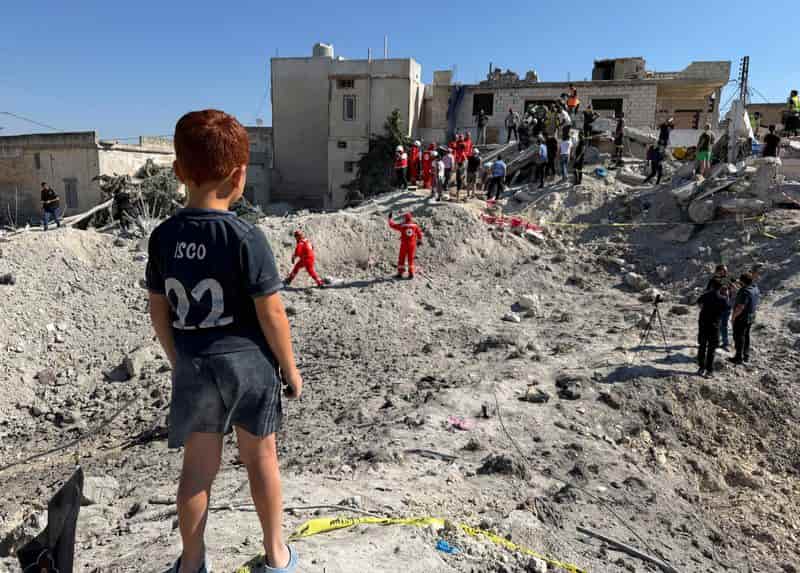
Since March 2, Israeli attacks in Lebanon have resulted in over 4,000 deaths, including civilians and healthcare workers, and have displaced approximately 1.2 million people. Israel has reported at least 32 soldiers and four civilians killed in the conflict.