US, Saudi Forces Strike Iran-Aligned Groups in Iraq After Drone Attacks
IN SHORT
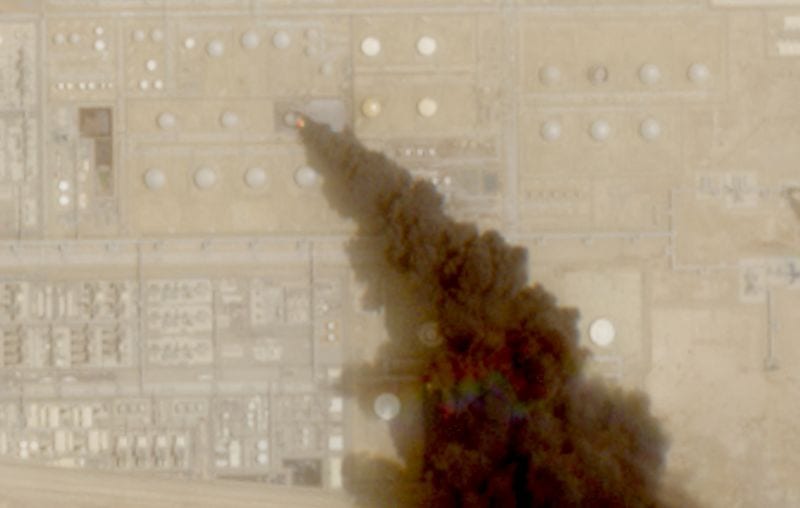
Following drone attacks on Saudi oil facilities attributed to Iran-backed militias, US and Saudi forces conducted precision strikes in Iraq. Iraq's Prime Minister called an urgent security meeting, while Iran warned of miscalculation and claimed to have seized oil tankers in the Strait of Hormuz.
Key Numbers
10members of Iraq’s Popular Mobilisation forces killed
Who's Involved
US and Saudi Arabia
conducted precision strikes in Iraq against Iran-aligned groups
Iran's Revolutionary Guards
claimed to have struck three oil tankers in the Strait of Hormuz
Ali Faleh al-Zaydi
Iraqi Prime Minister who called an urgent security meeting
Popular Mobilisation Forces
Iraqi militant grouping whose headquarters were reportedly attacked
Jasem Mohamed AlBudaiwi
GCC Secretary-General who condemned the attacks
↳ Why This Matters
The joint US-Saudi strikes in Iraq, in response to drone attacks on Saudi oil facilities, escalate regional tensions and raise concerns about broader conflict involving Iran and its allies. The situation impacts global energy security due to the involvement of critical shipping lanes like the Strait of Hormuz.