Key facts
- Iran launched multiple ballistic missiles targeting US forces in the Middle East.
- US forces successfully intercepted all Iranian ballistic missiles.
- Vessel traffic through the Strait of Hormuz remains low.
- Ships are primarily using northern routes through the Strait of Hormuz.
- US Central Command has been enforcing a naval blockade against Iran since July 14.
Iran launched multiple ballistic missiles targeting U.S. forces in the Middle East, which were intercepted by U.S. Central Command, according to a statement on X. The U.S. military stated that all Iranian missiles were successfully intercepted. The exact location targeted was not mentioned.
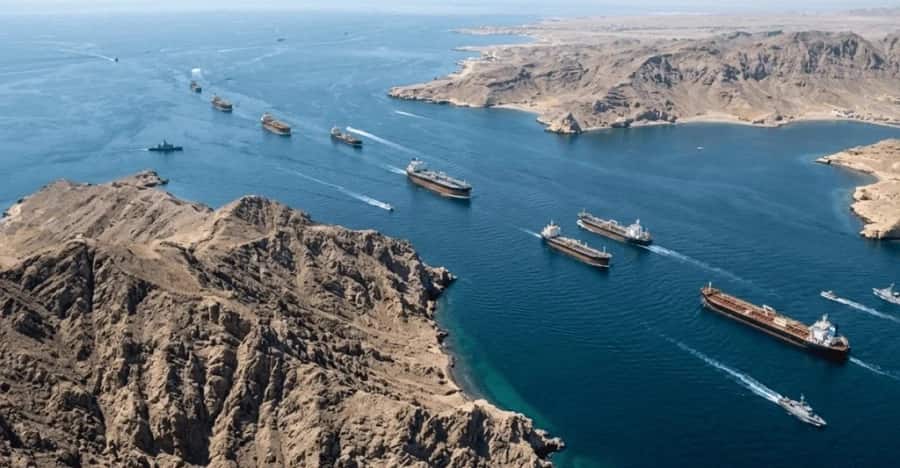
Vessel traffic through the Strait of Hormuz remains low, with most ships utilizing northern routes. Data from vessel tracking service Windward indicated only six vessels transited the strait on July 27, all using the northern, Iran-favored routing. This follows a pattern of reduced traffic, with only one outbound crossing detected on July 25.
Alternative data from the UK Trade Maritime Organization (UKTMO) and the U.S. Naval Cooperation and Guidance for Shipping (NCAGS) suggests higher "US-assisted" transits, totaling 26 vessels over July 26-27. However, UKTMO also noted reduced traffic levels over the past 72 hours, with no sustained increase along the southern Omani corridor.
US Central Command stated on July 28 that it had redirected 18 commercial vessels, boarded two, and disabled two more as part of its naval blockade, which resumed on July 14. U.S. forces disabled the sanctioned very large gas carrier Lavine on July 24 and boarded the MR2 tanker Charminar on July 25 for compliance checks.