Key facts
- The delegation to occupied Donetsk Oblast included participants from Tanzania, Indonesia, South Africa, Uzbekistan, Brazil, Serbia and India.
- Organizers covered flights, accommodation and food for most participants, according to the festival's promotion materials.
- The Russian World Youth Festival Directorate was allocated 4.7 billion rubles ($57 million) for 2026, Agentstvo reported.
- A source with direct knowledge said organizers favored applicants active on social media who could create content for their audiences.
- Andrey Makarychev, a professor at the University of Tartu, told the Kyiv Independent the Kremlin uses such events to normalize the war.
- Entering occupied Ukrainian territory through Russia is illegal under Ukrainian law.
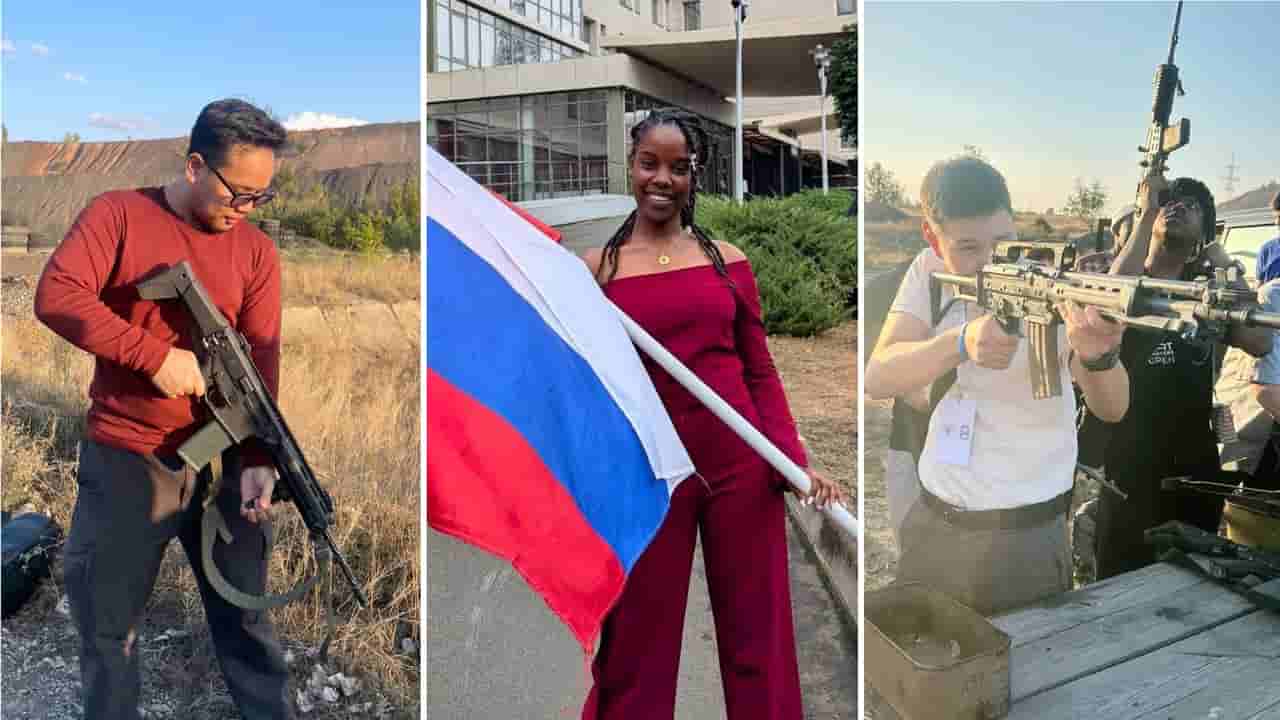
Russia brought 15 young people from Africa, Asia, Latin America and Europe to occupied parts of Ukraine's Donetsk Oblast in mid-September 2026 as guests of the International Festival of Youth, the Kyiv Independent reported on November 13. The delegation visited Donetsk, Makiivka and Mariupol over five days, and participants posted Instagram videos of the rebuilt Mariupol Drama Theater and of themselves firing rifles at a shooting range.
The festival is funded by the Russian state and organized primarily by the Federal Agency for Youth Affairs, also known as Rosmolodezh. Its main event in Yekaterinburg drew around 10,000 participants, half of them from abroad, according to the organizers. Putin addressed the opening ceremony online on September 13, 2026. The Russian World Youth Festival Directorate was allocated 4.7 billion rubles ($57 million) for 2026, nearly five times its funding the year before, independent Russian outlet Agentstvo reported, citing the federal budget.
A source with direct knowledge of the program, who spoke on condition of anonymity due to safety concerns, told the Kyiv Independent that organizers favored applicants who were active on social media and could create content for their audiences. Most participants paid nothing for the trip, with organizers covering flights, accommodation and food, according to the festival's promotion materials. "Consider it a quid pro quo: they get to travel to Russia for free, but they must only say good things about Russia," the source said.