Key facts
- Over 200 people were detained near the Kitay-Gorod metro station in central Moscow on November 7, per Russian media and Telegram channels.
- Witnesses reported violent arrests and that detainees were offered military contracts, the Kyiv Independent reported.
- Ivan Chuvilyaev of Idite Lesom said police handed out notices that did not appear in Russia's electronic military registry.
- Chuvilyaev said the notices required recipients to visit a recruitment office to check personal information, not to report for immediate service.
- Artem Klyga, a Russian human rights lawyer in exile, said he knew of no cases of November 7 detainees later forced to fight in Ukraine.
- Oleksii Melnyk of the Razumkov Center said Moscow is not a priority area for military recruitment.
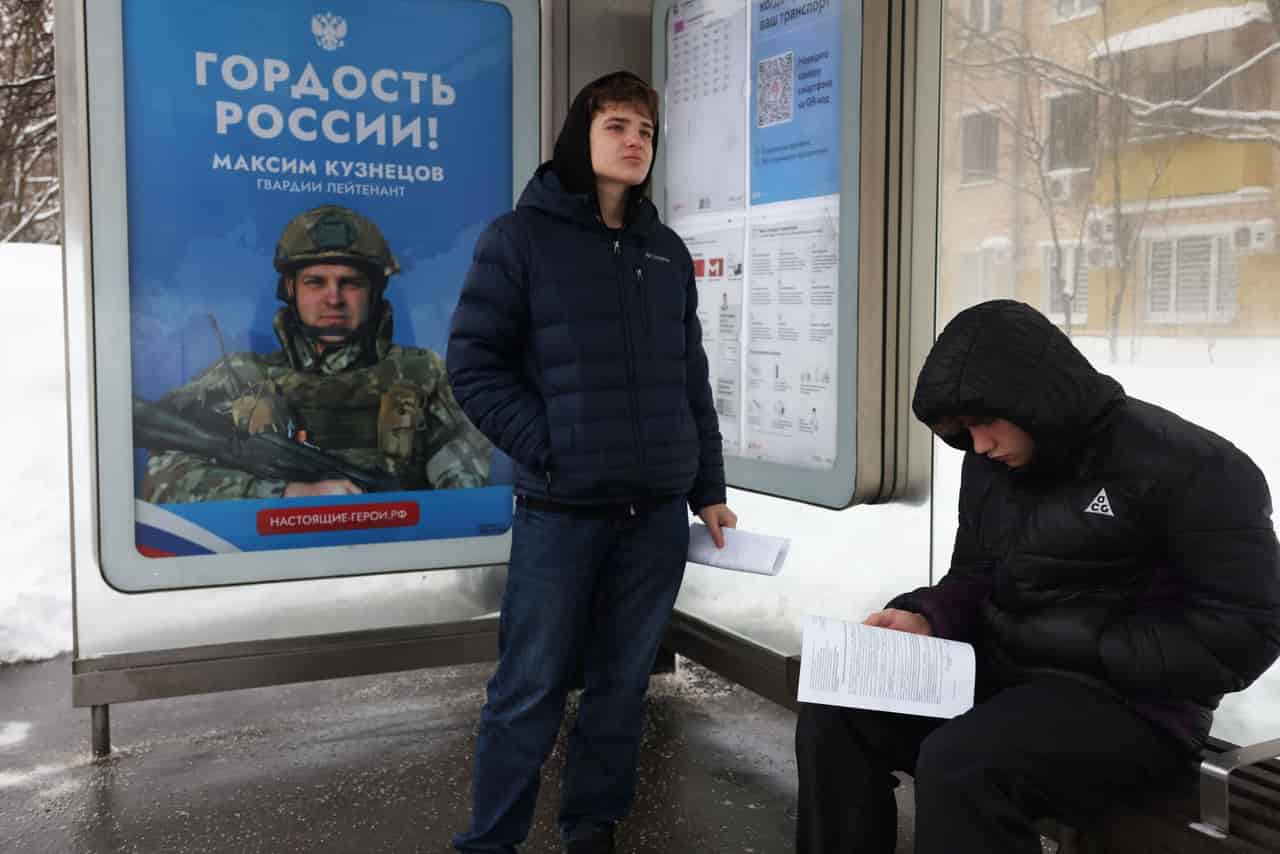
Russian police detained more than 200 young people near the Kitay-Gorod metro station in central Moscow on November 7, a gathering spot for alternative youth subcultures, according to Russian media and Telegram channels cited by the Kyiv Independent. Witnesses reported violent arrests and said some detainees were offered military contracts.
Oleksii Melnyk, co-director of foreign relations and international security programs at the Ukrainian Razumkov Center, told the Kyiv Independent he would not view the raids primarily as a mobilization measure. He described them as part of a broader repressive policy and an effort to tighten control over young people, adding that military registration and possible subsequent recruitment fit into that system. He said Moscow is not a priority area for military recruitment, with Russia relying heavily on men from poorer regions and remote areas of Siberia and the Far East.
Artem Klyga, a Russian human rights lawyer living in exile, said the practice of police handing out military notices during raids dates back to at least September 2022, when Russia announced its first wave of mobilization. He said he did not associate the November 7 raid with mobilization and had received one request for help afterward, knowing of no cases in which detainees were later forcibly sent to fight in Ukraine.
Ivan Chuvilyaev, spokesperson for the anti-war group Idite Lesom, said the organization received several requests for help from people detained in Moscow. He said one involved a young man facing a choice between administrative penalties or other consequences and signing a contract with the Defense Ministry. According to Chuvilyaev, police handed out notices that did not appear in Russia's electronic military registry; the notices did not order immediate military service but required recipients to visit a recruitment office to check personal information. He said similar tactics have been used in Penza and other Russian regions and described the practice as part of a "hybrid mobilization."