Key facts
- Kharkiv Governor Oleh Syniehubov said at least 14 people were injured in Russian strikes on the city on November 29, 2026.
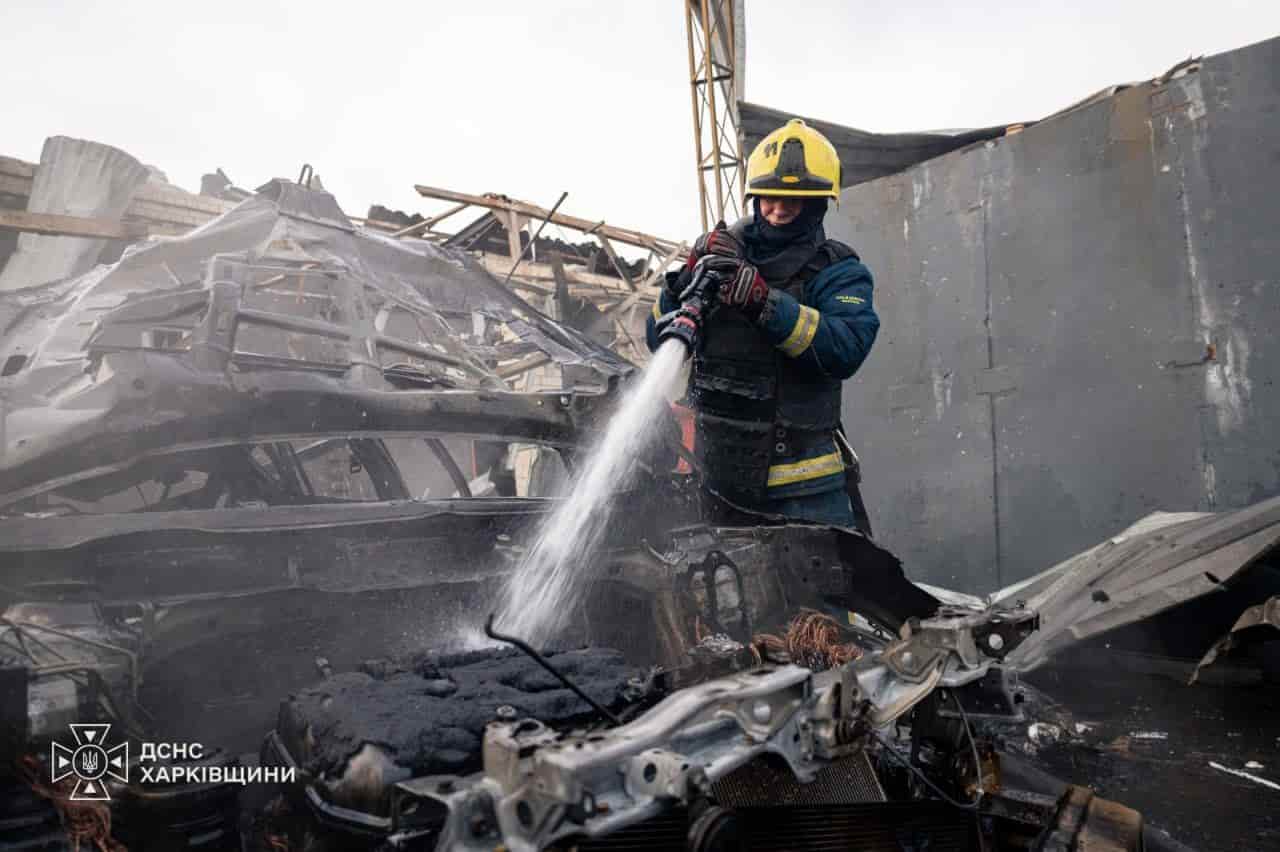
- An afternoon strike injured 11 people, including a one-year-old child and a five-year-old boy, and started a fire at a postal center, Syniehubov said.
- A later strike damaged a bus and a tram in Kharkiv's northeast, injuring three more people, the governor said.
- The report said Russian attacks on Kharkiv continued at the time of publication with no further casualties reported.
- The report said a separate overnight bombardment killed at least three people in Odesa, Zaporizhzhia and Kremenchuk.
Russia struck the city of Kharkiv with missiles and drones for hours on November 29, 2026, injuring at least 14 people, including a one-year-old child and a five-year-old boy, the Kyiv Independent reported.
Russian drones began targeting the city in the early morning, destroying shops and a public transport stop, according to Kharkiv Governor Oleh Syniehubov. After a short break, Russia struck again in the afternoon, causing a blast that injured 11 people, including the two children, and started a fire at a postal center, Syniehubov said.
A few hours later, three more people were injured when a Russian strike damaged a bus and a tram in the city's northeast, the governor said. The report said Russian attacks continued on the city at the time of publication, with no further casualties reported.
The report said the Kharkiv strikes came as Russia carried out another overnight bombardment on Ukrainian civilians, killing at least three people in Odesa, Zaporizhzhia and Kremenchuk. It said Russia is also targeting Ukraine's energy infrastructure as temperatures drop, seeking to cut major cities off from the power grid.
President Volodymyr Zelensky, writing on X on November 29, said Ukraine's Defense Intelligence had reported on Russian strike preparations and missile production and stockpiling, and called on officials to follow up with partners that have not fulfilled pledges to provide interceptors. Energy companies have said they are struggling to protect facilities against the number of Russian drones and missiles amid the air defense deficit, the report said.