Key facts
- Kyiv Mayor Vitali Klitschko said a critical infrastructure facility was hit and did not specify which one or where.
- Klitschko warned that some areas of the capital could see disruptions to electricity and water supplies.
- A drone damaged the top two floors of a nine-story residential building in Kharkiv's Kyivskyi District.
- Kharkiv Oblast Governor Oleh Syniehubov said two women, aged 43 and 68, suffered acute stress reactions.
- Russian attacks across Ukraine killed 10 people and injured 55 over the past day, local authorities said.
- The Center for Economic Strategy said Russia has carried out more than 1,000 attacks on Ukraine's energy infrastructure since September.
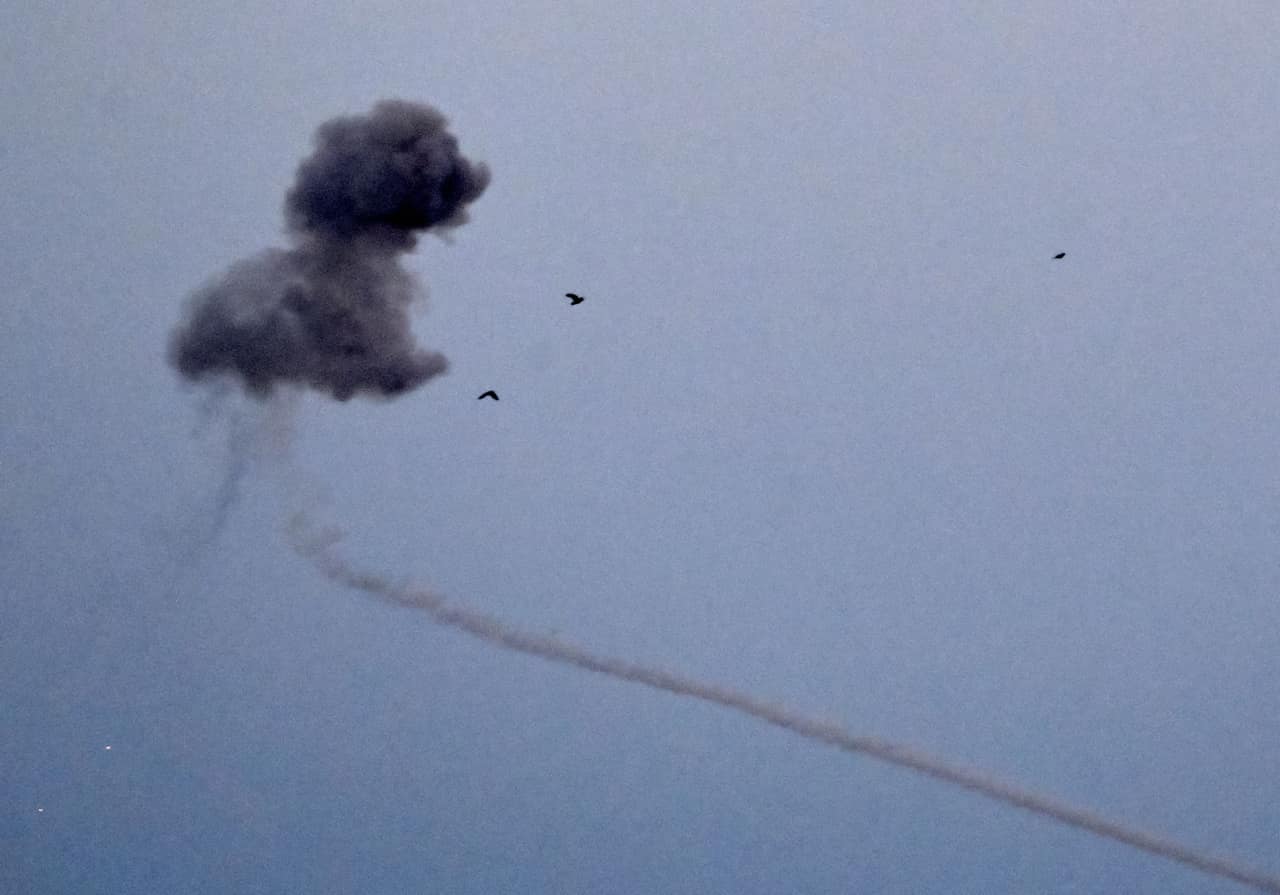
Russian forces struck Kyiv and Kharkiv on November 28, targeting critical infrastructure in the capital and hitting a residential high-rise in Ukraine's second-largest city, local authorities said.
Around noon, Russia launched drones toward several regions of Ukraine, including jet-powered ones, which are harder to intercept because of their speed and flight trajectory. At 1:45 p.m. local time, Kyiv Independent reporters heard the first explosion in the capital following an air raid alert, and another about an hour later.
Kyiv Mayor Vitali Klitschko said a critical infrastructure facility was hit in the attack and warned that some areas of the capital could experience disruptions to electricity and water supplies. He did not specify which facility was damaged or where it was located.
In Kharkiv, a drone struck a nine-story residential building in the city's Kyivskyi District, damaging its top two floors. Kharkiv Oblast Governor Oleh Syniehubov said in a Telegram post that two women, aged 43 and 68, suffered acute stress reactions as a result of the attack.
Russian attacks across Ukraine killed 10 people and injured another 55 over the past day, according to local authorities. As temperatures have dropped across Ukraine, Russian forces have intensified their attacks on the country's energy infrastructure.
Damage to energy facilities has forced Ukraine to halt electricity exports, while electricity imports have surged to their highest daily level since mid-June. Since September, Russia has carried out more than 1,000 attacks on Ukraine's energy infrastructure, targeting not only power plants but also high-voltage substations and transmission lines, according to the Center for Economic Strategy.