Key facts
- North Korea is increasingly vital to Russia's war effort, providing missiles, ammunition, and specialized personnel.
- Russia is investing in improved logistics, including a new border crossing, to facilitate aid to North Korea.
- North Korea's military support to Russia is estimated to have generated approximately $22 billion in foreign revenue between 2022 and 2025.
- While direct troop deployment to Ukraine is unlikely in the short term, North Korean forces may be stationed in Russian border regions.
- Experts believe the Russia-North Korea alliance is strengthening, with potential for further military cooperation.
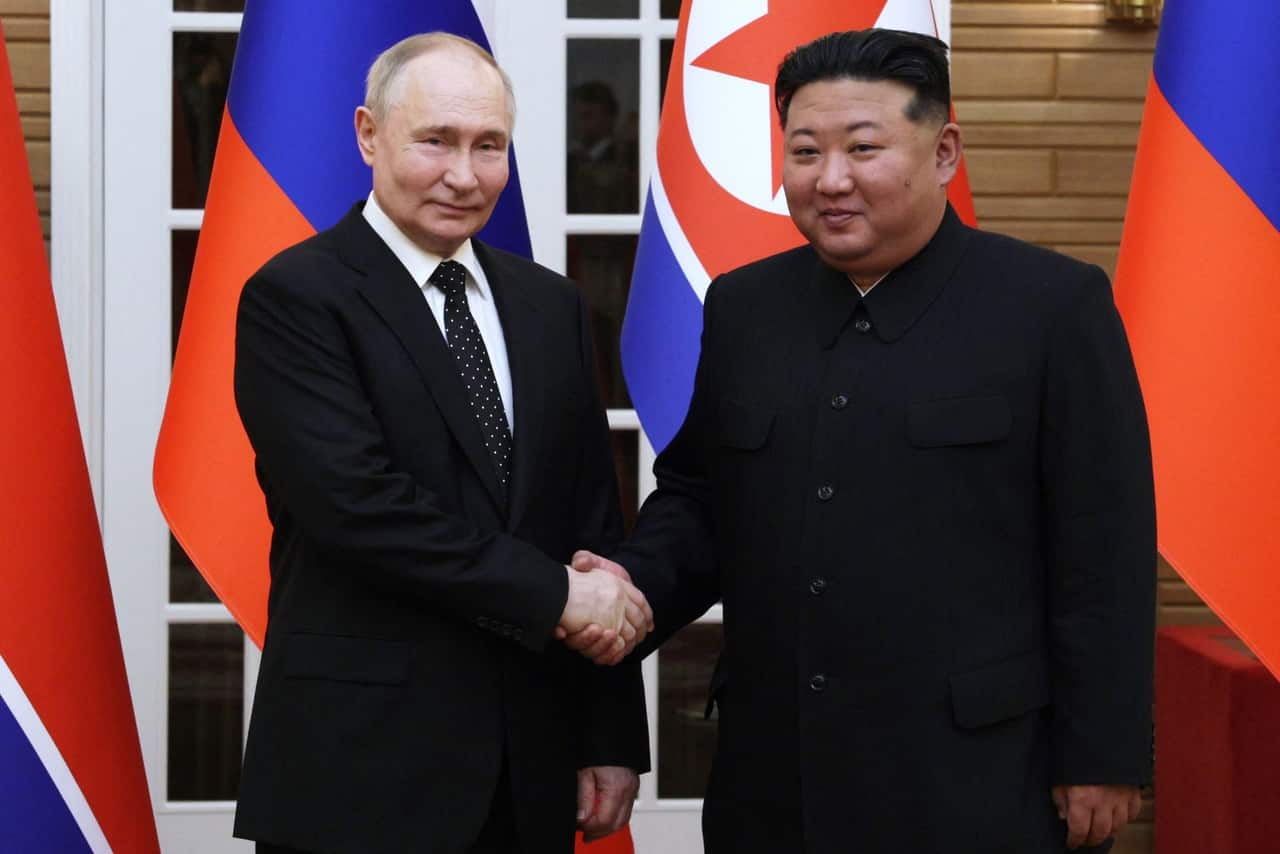
North Korea has emerged as a critical partner for Russia in its ongoing war against Ukraine, supplying essential military materiel and personnel. This deepening alliance, marked by increasing military cooperation and infrastructure development, is reshaping the geopolitical landscape.
Ukrainian intelligence has previously warned of potential large-scale troop deployments from North Korea to support Russian forces, alongside significant shipments of missiles and drone operators. While a massive influx of troops is not imminent, experts agree that North Korea's role is growing, providing crucial assistance that helps Russia accelerate its offensives and bolster its strikes against Ukrainian cities.
Despite Russia's larger economy and population, the two nations' military capabilities are complementary. North Korea has supplied Russia with ballistic missiles, which are generally considered more powerful but less accurate than their Russian counterparts. The country has also been a key supplier of ammunition and artillery powder, particularly during periods of acute shortages for Russian forces. Furthermore, North Korea has reportedly sent specialized personnel, including drone operators, to aid Russia's military operations.
This military assistance has translated into substantial financial gains for Pyongyang. Estimates suggest North Korea has earned around $22 billion in foreign revenue between 2022 and 2025, a significant increase that bolsters the Kim Jong Un regime amidst international sanctions. Russia is also investing in improving delivery logistics, including plans to open a new car border crossing by the end of 2026, which experts believe will primarily serve military purposes despite official claims of boosting tourism and civilian trade.
While the alliance is firming, there are limits to North Korea's direct involvement. Precedents suggest that any troop deployments would likely be stationed in Russian border regions rather than directly in Ukraine, and such actions require careful consideration and preparation by Pyongyang. Nevertheless, the strengthening ties between Moscow and Pyongyang signal a significant shift in regional and global security dynamics.