Key facts
- South Korea's ruling Democratic Party and government are prioritizing active fiscal policy for the 2027 budget.
- The focus is on strategic investment in future industries like AI, bio, culture, defense, and energy.
- Increased tax revenue from the semiconductor boom will fund a 'future response fund'.
- This fund aims to support future industries, youth policies, and regional development.
- The government plans a record-high budget of around 800 trillion won for 2027.
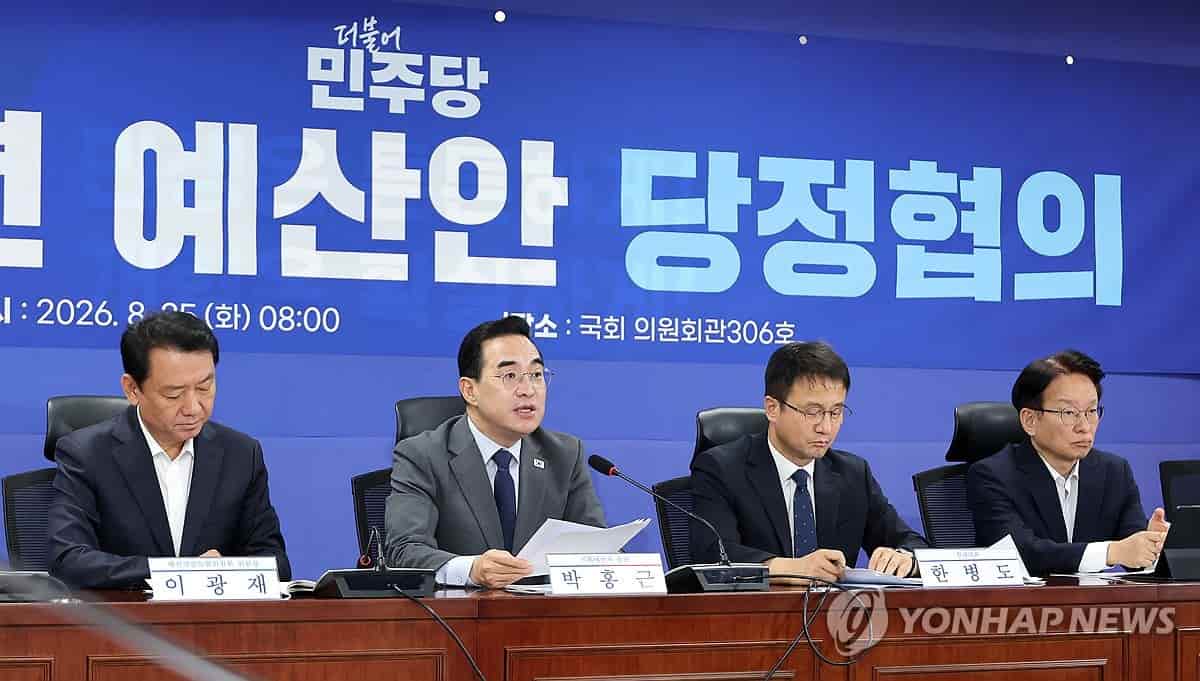
South Korea's ruling Democratic Party and the government are aligning on a strategy to utilize active fiscal policy and targeted investments to drive economic growth and secure leadership in future industries. During a consultative meeting on the 2027 budget, officials emphasized the importance of strategic allocation of funds.
DP floor leader Han Byung-do highlighted the need to focus fiscal capacity on future industries, urging the government to prioritize investments that support youth, regional development, and emerging sectors. Echoing this sentiment, Rep. Kwon Chil-seung, the party's chief policymaker, specifically called for significant investment in artificial intelligence to position South Korea among the top three AI powerhouses globally. Kwon also noted that key sectors such as bio, culture, defense, and energy should receive strategic investment.
Budget Minister Park Hong-geun stated that the government's fiscal strategy will center on active management to foster economic growth and create a unique South Korean economy. He indicated that increased tax revenue, particularly from the current semiconductor boom, will be channeled into strategic investments through a 'future response fund' rather than short-term spending. President Lee Jae Myung had previously announced plans for a record-high budget of approximately 800 trillion won (US$540 billion) for the upcoming year, with the additional tax revenue earmarked for this future response fund to support future industries, younger generations, and regional development.