Key facts
- Rep. Lee Jun-seok, leader of the New Reform Party, resigned on August 26, 2026.
- The resignation is in response to the party's defeat in the June 3 local elections.
The leader of South Korea's New Reform Party, Rep. Lee Jun-seok, resigned Wednesday to take responsibility for the party's poor performance in the June 3 local elections. The party failed to secure any major posts, winning only one local council seat.
The resignation of a party leader following a significant electoral defeat highlights internal party dynamics and the consequences of poor electoral performance, potentially impacting the party's future direction and leadership.
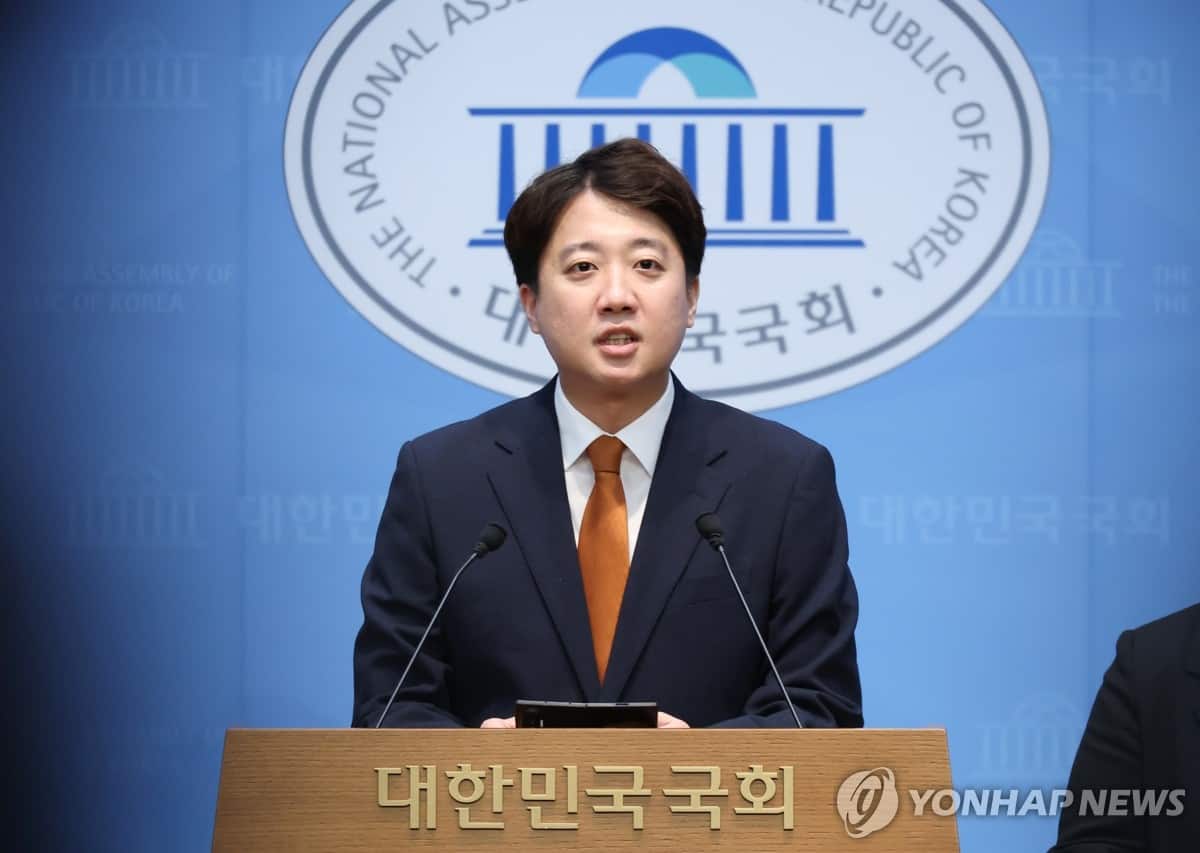
SEOUL, Aug. 26 (Yonhap) -- Rep. Lee Jun-seok, the leader of the minor opposition New Reform Party, announced his resignation Wednesday, taking responsibility for the party's significant defeat in the June 3 local elections.
During a press conference at the National Assembly, Lee stated that he had proposed reforms since the elections but did not receive sufficient internal support. He accepted full responsibility as party leader for failing to persuade others within the party.
The New Reform Party failed to win any of the 16 major mayoral and gubernatorial posts or the 14 parliamentary seats contested in the elections, securing only a single local council seat. The party's disarray was further compounded when one of its candidates, Jeong Yi-han, was arrested and indicted for allegedly staging an assault on himself in an apparent bid to garner voter sympathy.
Rep. Chun Ha-ram, the party's floor leader, is anticipated to serve as the interim party leader following Lee's departure.
Pick the topics you care about. Get only what matters, on your cadence.