Key facts
- Researchers at KIGAM have developed a faster and cheaper method for biochar production.
- The new process uses damp coffee grounds, eliminating the need for pre-drying.
- The 'popcorn effect' from flash evaporation breaks down biomass and increases porosity.
- The resulting biochar has three times the carbon content and one-third more calorific value than typical biochar.
- This method offers a sustainable waste-to-energy conversion pathway.
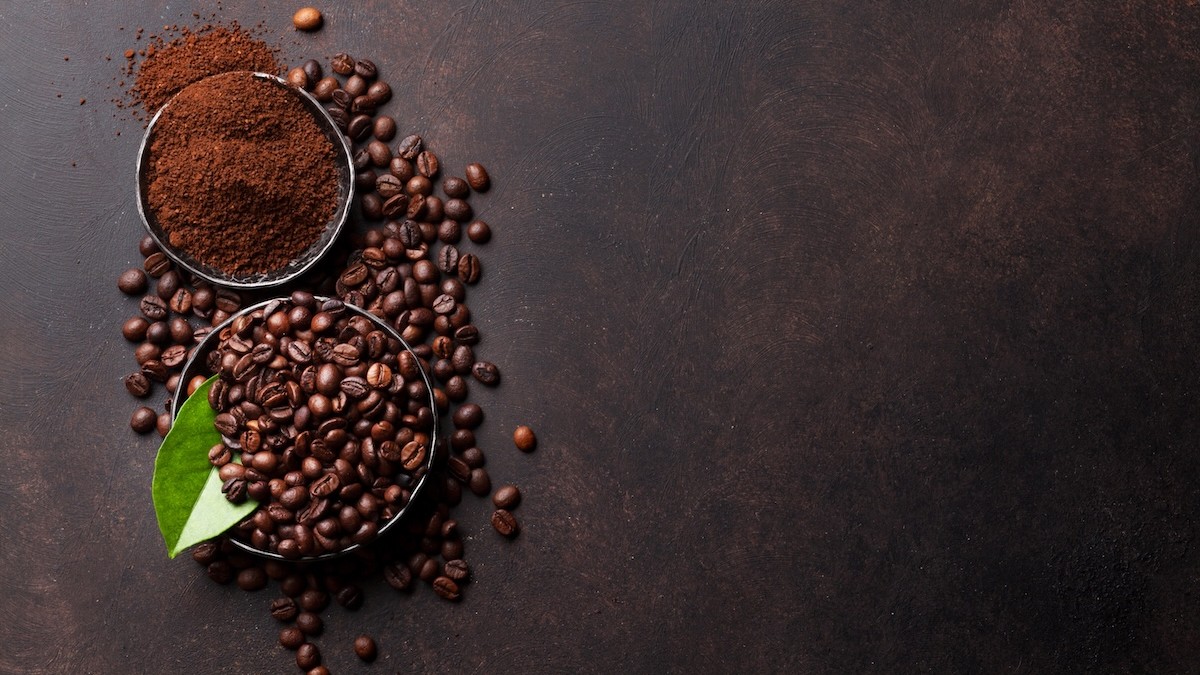
Researchers at the Korea Institute of Geoscience and Mineral Resources (KIGAM) have devised a novel method to produce biochar from damp coffee grounds, significantly reducing the time and energy required compared to traditional processes. This breakthrough leverages the moisture content in the coffee waste, utilizing a phenomenon described as the 'popcorn effect.'
During the process, water trapped within the coffee particles rapidly turns into steam, creating microscopic explosions that break down the biomass through flash evaporation. This not only accelerates the carbonization process but also results in a more porous biochar structure. The researchers claim this method is ultra-fast and energy-efficient, turning the biomass's intrinsic moisture from a thermal burden into an activation agent.
The biochar produced by this new technique boasts a higher heating value and no sulfur content, making it a cleaner-burning energy source. It contains three times the carbon content of typical biochar and approximately one-third more calorific value. The KIGAM team believes this discovery can divert millions of tons of waste from landfills annually.
Beyond coffee waste, the researchers suggest the flame plasma pyrolysis method could be applied to other moisture-dense organic materials, such as food waste and sewage sludge, creating a closed-loop waste-to-energy system. This innovation comes at a time of surging energy demand, partly driven by the artificial intelligence boom, highlighting the need for diverse and innovative clean energy solutions.