Key facts
- Qantas said it would cut 850 jobs and outsource some corporate functions offshore as part of an AI-driven overhaul with Accenture.
- The Australian Services Union accused Qantas of using AI to launder cuts to Australian jobs.
- Australian Council of Trade Unions Secretary Melissa Donnelly said unions fear companies use AI as cover to cut jobs with no accountability.
- University of Sydney professor Uri Gal said Qantas's decision appeared to stem from conventional outsourcing rather than AI-driven redundancy.
- The Reserve Bank of Australia said AI had not yet caused widespread job losses but noted tentative signs of adjustment.
- Qantas said it would keep consulting unions and focus on redeployment opportunities for affected staff.
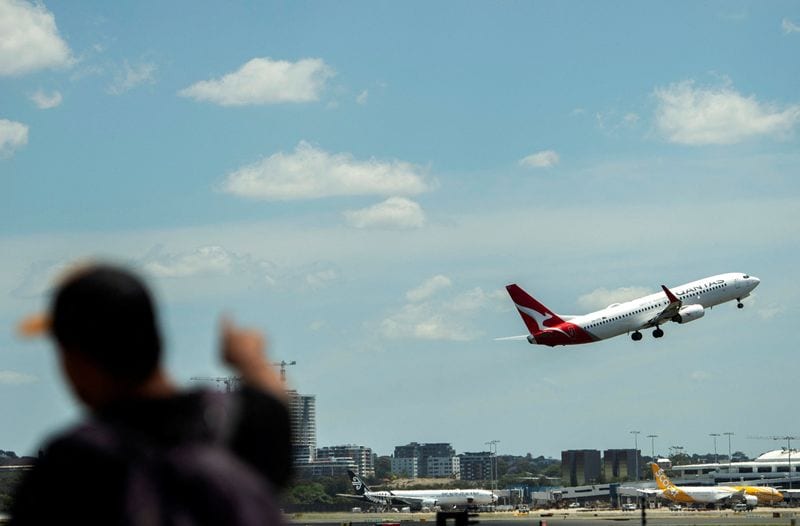
Qantas said on November 10 it would cut 850 jobs and outsource some corporate functions offshore as part of an AI-driven overhaul with consulting firm Accenture, a move that drew accusations of "AI washing" from unions and experts.
The term describes companies attributing layoffs to AI tools when the main driver may be broader cost-cutting, such as shifting work offshore. Tech companies WiseTech and Atlassian have cut jobs in 2026 and attributed the losses to AI, while telecommunications firm Telstra has cut jobs from an AI joint venture with Accenture, with some work moved to India. Other Australian firms have reduced domestic headcount while expanding in India, the Philippines and Vietnam without explicitly citing AI.
The Australian Services Union, which represents the affected Qantas workers, accused the airline of "using AI to launder their cuts to Australian jobs." Assistant National Secretary Scott Cowen said he expected more such cost cutting if corporate Australia copies the approach. Australian Council of Trade Unions Secretary Melissa Donnelly said unions were concerned about companies using AI as cover to cut Australian jobs with no accountability.
Senator Barbara Pocock, a member of the Australian Greens, said on November 11 that she was concerned to see big companies engaging in AI washing and that the technology was no excuse to let change run unchecked. A Qantas spokesperson said the airline would continue to consult unions and was focused on redeployment opportunities and support for affected staff. Qantas did not respond to the concerns around AI washing, and Atlassian, WiseTech and Telstra did not immediately respond to requests for comment.
Uri Gal, a professor at the University of Sydney Business School, said the Qantas decision appeared due to conventional outsourcing. He said the company had announced some corporate functions would transfer to Accenture, primarily in India, and states those functions will subsequently be transformed through AI and automation.
The Reserve Bank of Australia said AI had not yet led to widespread job losses, though it noted tentative signs of adjustment, with job ads weakening in AI-exposed occupations. The central bank has raised interest rates five times in 2026 to their highest level in 18 years, and the latest data showed unemployment at a five-year high of 4.7%. A government spokesperson said it expected Australian workers to see the benefits of new technologies and that employers should invest in upskilling them.