Key facts
- Putin told a Kremlin meeting that Ukrainian attacks on refining facilities ignore Trump's direct request to refrain.
- Putin said retaliatory measures on Russia's part are inevitable and asked for extra security at energy facilities.
- Two industry sources estimated Ukrainian drone attacks cut Russian refineries' combined crude processing by 45% since late October.
- Several Russian regions restricted retail gasoline and diesel sales after renewed refinery attacks, per local media and authorities.
- Ukrainian Foreign Minister Andrii Sybiha said on X that Putin could stop the refinery strikes by ending the war.
- The EU will stop buying Russian seaborne LNG from January 1, 2027, the report said, without dating the decision.
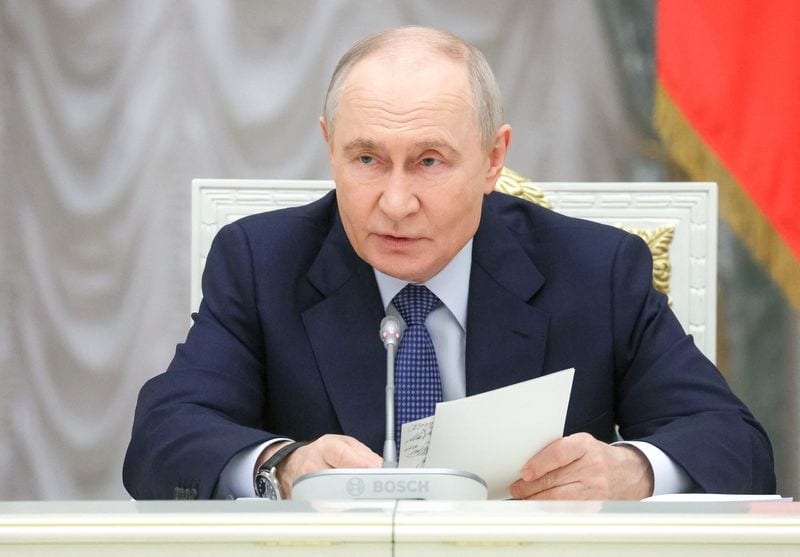
Russian President Vladimir Putin said on November 24, 2026 that Ukraine has continued attacking Russian oil refineries despite a direct request from US President Donald Trump to refrain, and that retaliatory measures from Moscow are inevitable. He spoke at a Kremlin meeting of government officials and senior oil executives and asked for additional security measures for energy facilities.
Kyiv has said it would stop striking Russian energy targets only when Moscow did the same. Ukrainian strikes subsided after Trump's mid-October declaration of an energy ceasefire but picked up again from the end of October, according to the report.
Estimates from two industry sources put the effect at a 45% cut in Russian refineries' combined crude processing volumes since late October. Several Russian regions have introduced restrictions on retail sales of gasoline and diesel following the renewed attacks, according to local media and authorities. Putin said the domestic fuel market remained difficult but that gasoline prices had stabilised after peaking in October.
Ukrainian Foreign Minister Andrii Sybiha, writing on X, said Putin could end Kyiv's strikes on refineries by halting the 4-1/2-year-old war. Sybiha said Putin was paying scant attention to mounting Russian battlefield losses and wrote: "Stop complaining. End the war."
The report also said the European Union has decided to stop buying Russian seaborne liquefied natural gas starting January 1, without dating the decision. Russian LNG supplies to Europe reached around 13.7 million metric tons last year, and LSEG preliminary data showed exports to Europe rose around 6.3% year-on-year in the first 10 months of 2026 to 11.8 million tons. Putin said Europe's efforts to curb Russian energy exports backfired, with Russia expanding its sales markets and increasingly using the Northern Sea Route across its Arctic shores.