Key facts
- Brent fell 40 cents, or 0.45%, to $88.97 a barrel by 0147 GMT on November 24.
- WTI slipped 23 cents, or 0.29%, to $79.94 a barrel after hitting its lowest since August 26.
- Iran's Revolutionary Guards navy said three tankers caught fire after hitting naval mines in the Strait of Hormuz, per Press TV.
- The Wall Street Journal reported the US is investigating whether Iran was involved in cyberattacks on as many as 50 energy tankers.
- Deutsche Bank said global observed liquids inventory rose 52 million barrels in October, implying an oversupply of 1.7 million barrels a day.
- Libya's Sharara pipeline has reopened and oil has begun flowing into storage tanks at the Akakus facility in Zawiya, the NOC chairperson told Reuters.
Brent crude futures fell 40 cents, or 0.45%, to $88.97 a barrel by 0147 GMT on November 24, hovering near a three-month low after posting their lowest close since August 31 on Monday, November 23. US West Texas Intermediate crude futures slipped 23 cents, or 0.29%, to $79.94 a barrel, after hitting their lowest level since August 26 earlier in the session.
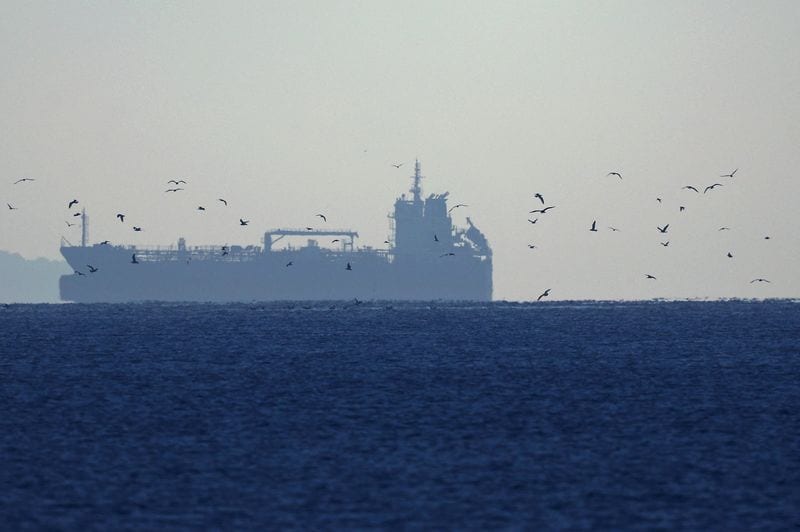
Prices drew some support from shipping risk in the Strait of Hormuz. Iran's Revolutionary Guards navy said three "violating" oil tankers caught fire after hitting naval mines in the strait on Monday, Iran's Press TV reported. The Wall Street Journal reported, citing US officials and others familiar with the matter, that the United States is investigating whether Iran was involved in cyberattacks on as many as 50 energy tankers.
Better supply has weighed on prices. Libya's Sharara oil pipeline has reopened and oil has begun to flow into storage tanks at the Akakus facility in Zawiya, the chairperson of the National Oil Corporation told Reuters on Monday. Deutsche Bank said in a research note that global observed liquids inventory rose 52 million barrels in October, implying an oversupply of 1.7 million barrels each day, and that evidence is accumulating the market is rebalancing into surplus, though setbacks could delay progress. A preliminary Reuters poll showed US crude oil and product inventories likely rose last week.
Analysts said the market remained fragile despite the supply improvement. "Despite some improvement in inventories and product availability, the oil market remains under severe strain," Daniel Hynes, senior commodity strategist at ANZ, said in a client note. He said prices, time spreads, refining margins and positioning suggest the market expects conditions to normalise, but logistics remain constrained and inventory buffers are thin.