Key facts
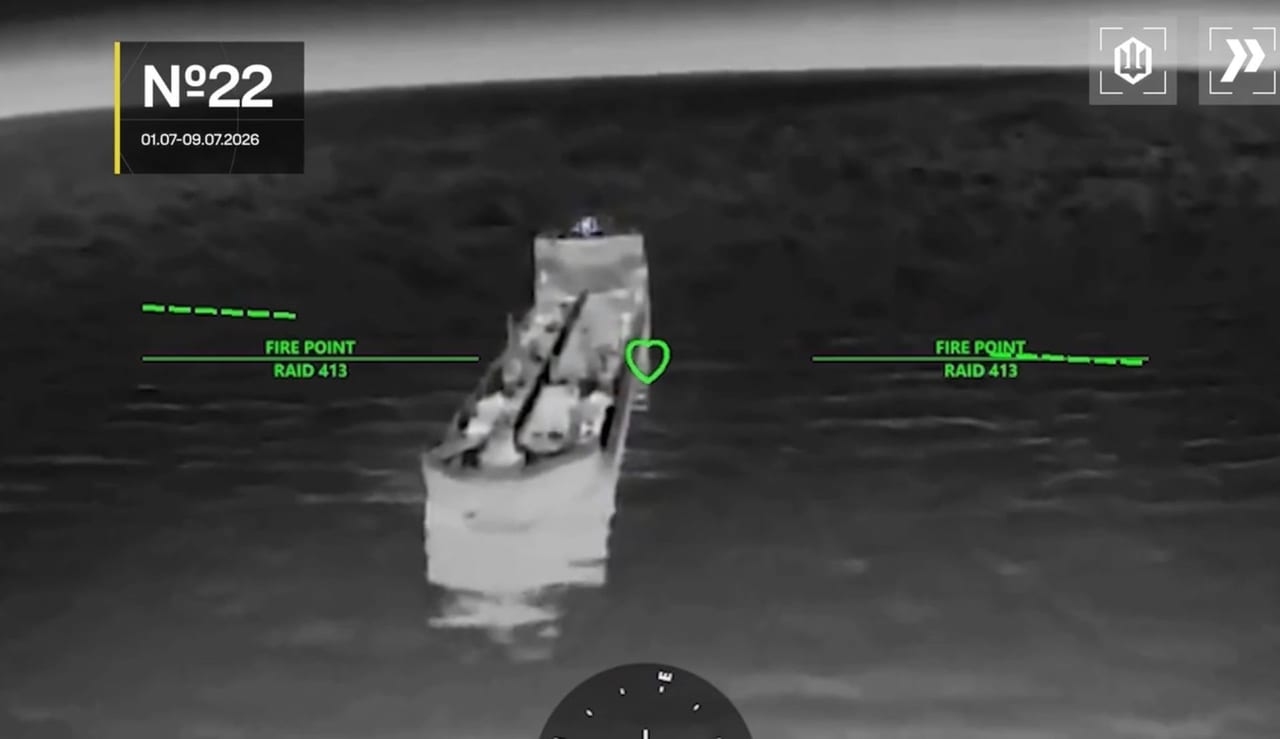
- Ukraine has intensified drone attacks on Russian commercial oil tankers in the Sea of Azov.
- At least 36 vessels, including tankers, have been struck in recent days.
- The attacks are part of Ukraine's strategy to disrupt Russian logistics and fuel supplies to occupied Crimea.
- Vladimir Putin has ordered fuel subsidies for Crimea due to soaring prices and shortages.
- Russia has banned diesel fuel exports until the end of July amid widespread shortages.
Ukraine's military has intensified its attacks near Russian-annexed Crimea, targeting maritime supply routes and Russia's "shadow fleet" of commercial oil tankers. At least 36 vessels have reportedly been struck in the Sea of Azov in recent days, a significant blow to Russia's naval capability and its ability to guarantee fuel supplies.
These strikes are part of Ukraine's self-declared "logistics lockdown" aimed at disrupting supplies into and out of occupied Crimea. Footage of the attacks has appeared on social media, with Ukrainian officials naming several tankers among those hit, as well as a passenger ferry and a bulk carrier in Kerch port. Some tankers attacked were reportedly carrying fuel to Crimea.
The tanker attacks coincide with continued strikes on Russian oil refineries, leading to widespread fuel shortages across Russia, including in major cities. Ukrainian President Volodymyr Zelensky has defended these actions as a response to Russia's own strikes on Ukrainian infrastructure.
Russian President Vladimir Putin has ordered fuel subsidies for Crimea to mitigate soaring prices and shortages. However, Russia faces declining oil refining capacity and fuel shortages in over 90% of its regions, prompting a ban on diesel fuel exports until the end of July. The Black Sea Fleet has reportedly withdrawn to Novorossiysk, limiting its ability to defend maritime assets.