Key facts
- Russia launched one of its largest attacks on Ukraine's capital this year, killing at least 27 people and wounding scores.
- The strikes occurred as Ukrainian President Volodymyr Zelenskiy met with US President Donald Trump at a NATO summit.
- Lawmakers in Washington called for tougher military and economic measures against Moscow.
- Ukrainian President Volodymyr Zelenskyy renewed his appeal for expanded air defense cooperation, focusing on local production of the Patriot system.
- European Conservatives and Reformists Group officials sensed cautious optimism among US officials about a possible cease-fire.
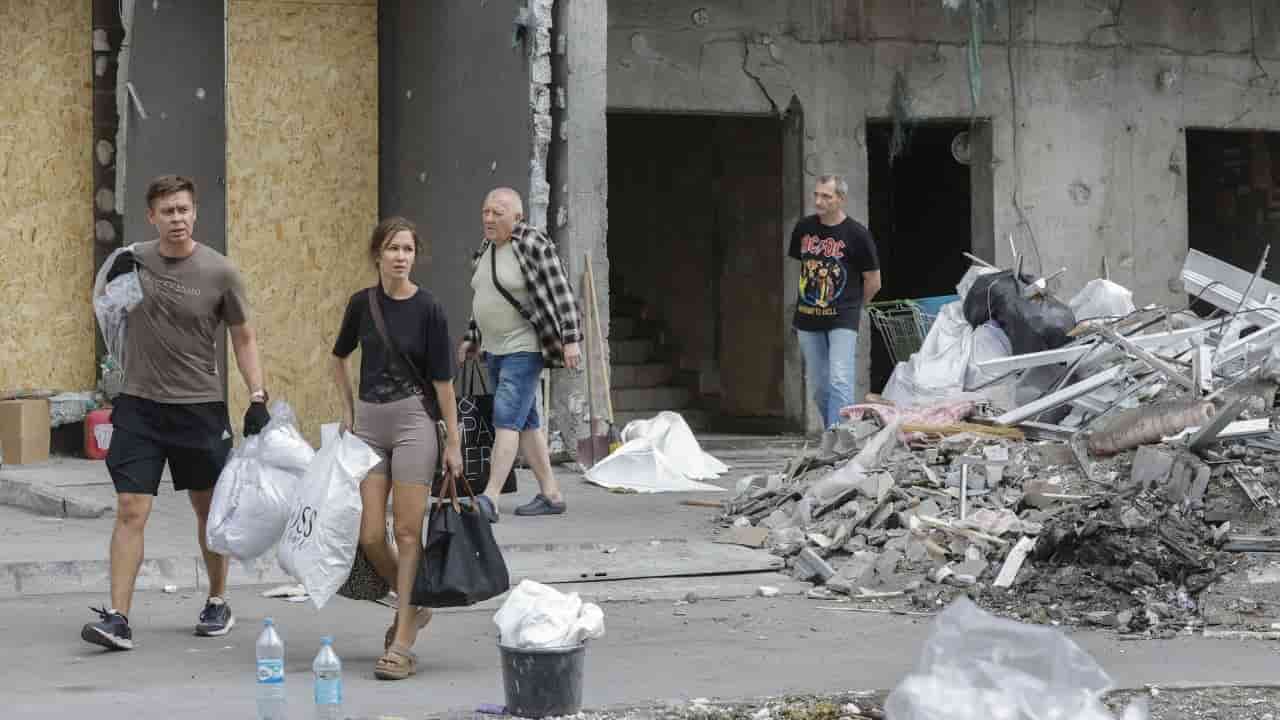
Russia carried out one of its largest attacks on Ukraine's capital this year on July 2, killing at least 27 people and wounding scores across several districts. The large-scale assault, which caused fires and extensive damage to civilian infrastructure and residential buildings, drew swift condemnation from lawmakers in Washington, where debate over future aid to Ukraine remains politically fraught.
Republican Representative Joe Wilson of South Carolina called the strikes further proof that the Kremlin is faltering militarily and urged the U.S. and its allies to do more to support Ukraine. Representative Don Bacon of Nebraska criticized the Trump administration's perceived lack of urgency, advocating for increased missile and air defense aid and tougher sanctions on Russia.
In a joint statement, leaders of the Congressional Ukraine Caucus urged immediate action to arm Ukraine. This comes as Ukrainian President Volodymyr Zelenskyy renewed his appeal for expanded air defense cooperation, specifically focusing on the domestic production of the Patriot surface-to-air missile defense system. Zelenskyy stated that talks with the U.S. administration on this issue have been ongoing for a long time.
Meanwhile, a delegation of senior members from the European Conservatives and Reformists Group met with U.S. officials and lawmakers ahead of the NATO summit. They condemned Russia's attack and expressed cautious optimism about a potential cease-fire in the conflict, while emphasizing the continued necessity of military support for Kyiv.