Key facts
- Consortium documents seen by Reuters showed production above 70 million bottles in the first nine months of 2026, around 7% above the last decade's average.
- The consortium sold around 98 million bottles in 2025, up 8% from 2024, and said 2026 harvest quantities appeared broadly comparable.
- Tomasi said the region recorded 60 nights above 20 degrees Celsius, including four above 23 C.
- The growing cycle of vines in the premium hills has shortened by as much as 16 days over two decades, the consortium said.
- Champagne production from the 2026 harvest is forecast to fall 38% from 2025, according to France's farm ministry.
- Exports of still Italian wine fell 9.1% by value in the first half of 2026, while sparkling wines fell 1.6%, industry figures show.
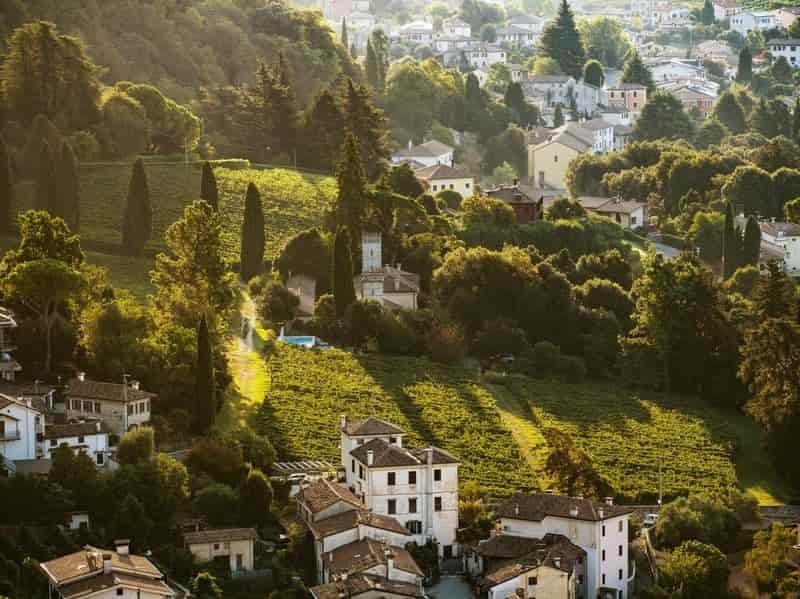
The Conegliano Valdobbiadene growing region of northeastern Italy, source of some of the most exclusive Prosecco sparkling wine, is emerging as a test case for surviving climate change, Reuters reported on November 26. The region experienced one of the hottest growing seasons on record in 2026, marked by drought and unusually warm nights, yet growers and producers expect this year's harvest to be broadly in line with last year's.
Research commissioned by the Prosecco Conegliano Valdobbiadene DOCG consortium and conducted by the University of Cantabria in Spain this year modelled how indicators including daytime and night-time temperatures, humidity and rainfall could change over the coming decades. Consortium director Diego Tomasi and producers separately told Reuters that this summer's growing conditions had broadly resembled those the models expected around 2045.
The growing cycle of vines in the premium hills has shortened by as much as 16 days over two decades, and this year's harvest began about 10 days earlier than the historical average. By September 15, 90% of the harvest was complete, with the consortium reporting quantities similar to 2025. Tomasi said the region recorded 60 nights when temperatures remained above 20 degrees Celsius, including four above 23 C.
Consortium documents seen by Reuters showed production exceeded 70 million bottles in the first nine months of 2026, less than 1% below the same period of 2025 and around 7% above the average of the last decade. The consortium sold around 98 million bottles in 2025, up 8% from 2024.
The harvest contrasts with other European wine regions. In Champagne, production from the 2026 harvest is forecast to fall 38% from 2025, according to France's farm ministry, following frost, hail, drought and heatwaves. Tomasi said differences in climate, grape varieties and vine age help explain the disparity, noting some vineyards have vines 80 to 90 years old.
Growers have changed practices. Primo Franco of the Nino Franco winery said growers trim less and leave foliage around bunches, particularly on south-facing slopes, to shield grapes from afternoon sun. He said he had long opposed irrigation but accepted it from last year, and DOCG rules allow emergency irrigation. Franco Adami said growers spent weeks hauling pipes across steep hillsides, and that it saved the harvest.
Production costs on the region's steep vineyards are among the highest in Italy, the growers said, and adapting to climate change is likely to increase them. Primo Franco said growers would be unable to pass them on to consumers in a competitive market. Researchers said warmer temperatures accelerated sugar accumulation and reduced acidity, particularly malic acid; Franco and Adami said growers recorded higher pH levels and a decline in malic acid this year but that quality was still high.
Exports of still Italian wine fell 9.1% by value in the first half of 2026 from a year earlier, while sparkling wines were broadly stable with a 1.6% decline, industry figures show. Prosecco accounts for 78% of Italian sparkling wine exports by value, according to the Unione Italiana Vini observatory.