Key facts
- All 435 House seats and 35 Senate seats were contested, with projections favoring Democrats to take the House from Trump's Republican Party.
- The University of Florida's Election Lab reported 59.1 million early in-person and mail-in ballots cast nationwide.
- By party registration, Democrats accounted for 43% of early ballots and Republicans 31.4%, though registration does not show how ballots were cast.
- The Justice Department said it deployed about 1,000 election monitors and observers across all 50 states, the largest effort in its history.
- Governor Ron DeSantis issued an executive order establishing temporary voting centers after flooding forced some Florida polling sites to relocate.
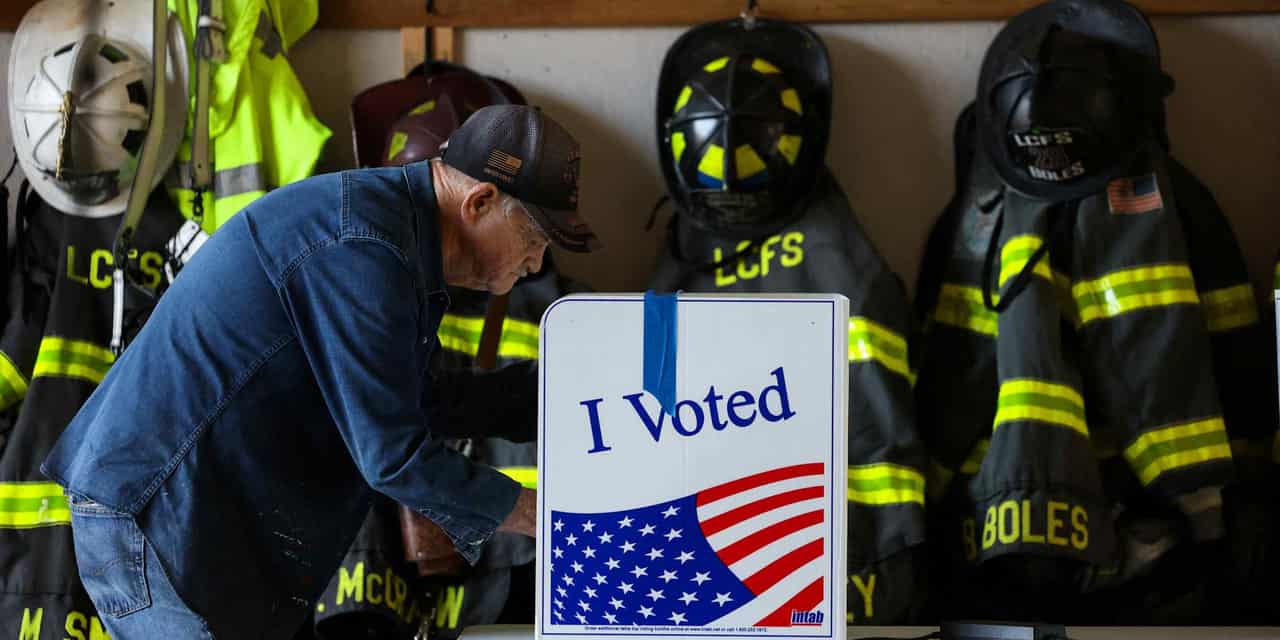
Polling opened for the 2026 US midterm elections, with all 435 House seats and 35 Senate seats contested and control of both chambers of Congress in the balance, Nikkei Asia reported.
In the weeks before election day, projections overwhelmingly favored the opposition Democratic Party to take control of the House of Representatives from President Donald Trump's Republican Party, while the battle for the Senate was expected to be much closer. Results, particularly for the Senate, could hinge on a small number of close races, including in Alaska, where polls do not close until after midnight Eastern time. Recounts or litigation over contested results could drag the process out longer.
The University of Florida's Election Lab reported 59.1 million in-person and mail-in ballots cast nationwide in early voting, more than half the total ballots cast in the 2022 midterms. In Colorado, Florida, Georgia, Montana, Nevada, North Carolina, Oregon and Tennessee, early ballots were equivalent to more than 70% of each state's total 2022 turnout. By party registration, Democrats accounted for 43% of early ballots and Republicans 31.4%, though registration does not indicate how voters cast their ballots.
The US Justice Department said it was deploying about 1,000 election monitors and observers across all 50 states, the largest effort in its history and the first to cover every state. The department's Civil Rights Division coordinated the deployment to check compliance with federal voting rights laws. Some state election officials and civil groups raised concerns about the increase in monitors and the potential for voter intimidation or other interference, local media reports showed.
Heavy rain and flooding forced some polling centers in Florida to relocate, with eight counties affected. Governor Ron DeSantis issued an executive order establishing temporary voting centers. Flash flooding in the West affected Arizona, Utah and Colorado, and Utah's lieutenant governor issued a declaration of emergency election accommodation allowing affected voters to request electronic ballots.