Key facts
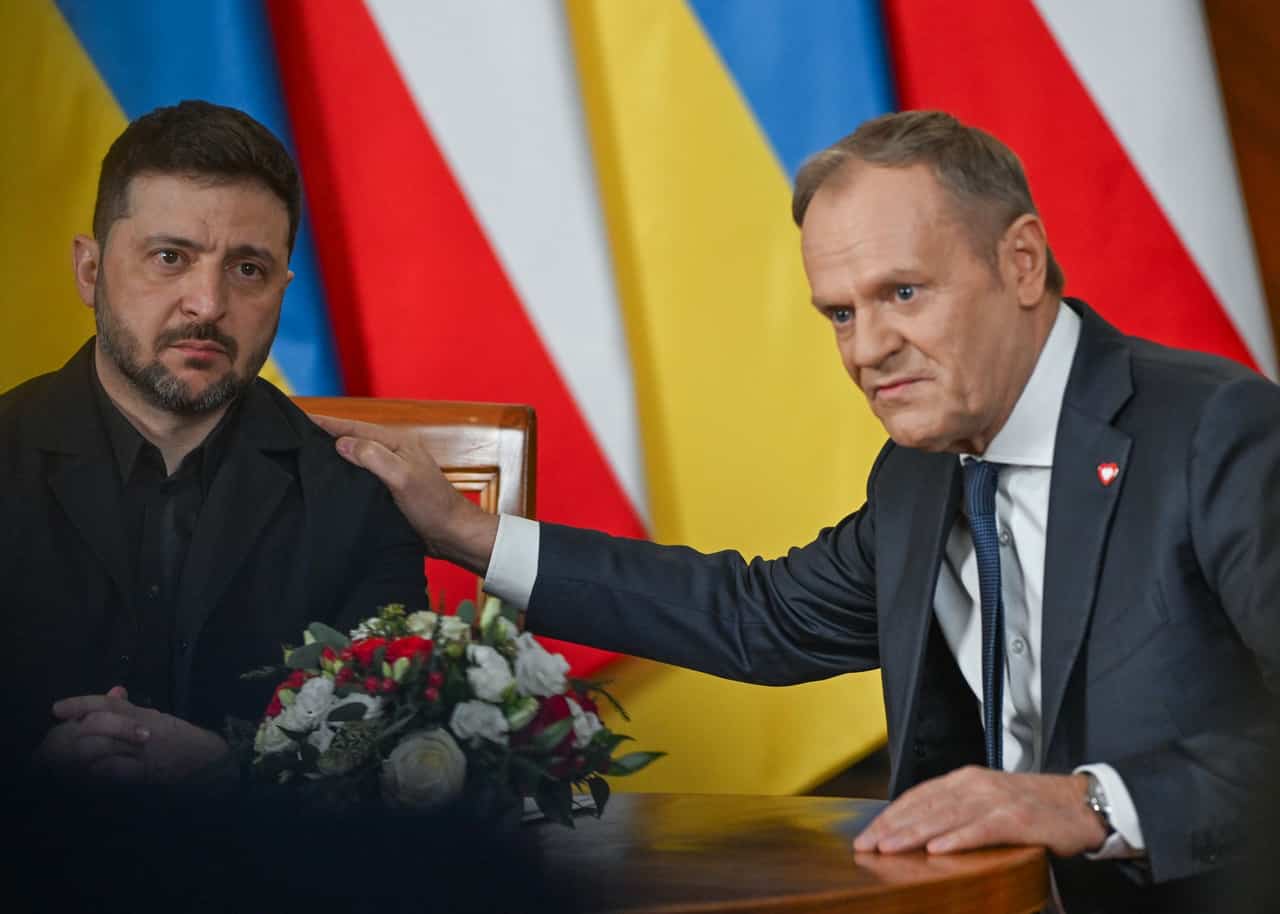
- Polish Prime Minister Donald Tusk criticized President Karol Nawrocki's decision to revoke Ukrainian President Volodymyr Zelenskyy's Order of the White Eagle.
- Nawrocki withdrew the award to protest Zelenskyy naming a Ukrainian military unit after a WWII-era force responsible for massacring Poles.
- Tusk described the revocation as a strategic mistake that could negatively impact business, geopolitics, and reputation for both Poland and Ukraine.
- The dispute has cast doubt on Zelenskyy's attendance at the upcoming Ukraine Recovery Conference in Gdańsk, which Tusk had promoted as a key cooperation event.
- Polish Finance Minister Andrzej Domański emphasized the commercial benefits of strong bilateral ties for Polish companies seeking reconstruction contracts in Ukraine.
- The decision has strained relations, leading several Ukrainian officials and former presidents to renounce their Polish honors.
Polish Prime Minister Donald Tusk is facing a significant challenge in managing relations between Warsaw and Kyiv, as a dispute over historical narratives has strained ties between the two allied nations. The conflict intensified after Ukrainian President Volodymyr Zelensky honored a military unit associated with the World War II-era Ukrainian Insurgent Army (UPA), a group linked to atrocities against Poles.
In response to Zelensky's actions, Polish President Karol Nawrocki revoked the state honor previously awarded to the Ukrainian president. Tusk criticized this move, stating on social media that "a mistake is worse than a crime" and that entanglement in political conflict would cost both sides. Finance Minister Andrzej Domański echoed concerns about the commercial implications, noting that Polish companies are eager to participate in Ukraine's reconstruction.
The revocation has soured relations, with several Ukrainian officials and former presidents renouncing their Polish accolades. Zelenskyy himself returned his Order of the White Eagle, comparing Nawrocki's decision to actions by former Hungarian Prime Minister Viktor Orbán and suggesting it was rooted in Polish domestic politics ahead of upcoming elections. The severity of the diplomatic fallout is expected to become clearer with Zelenskyy's decision on whether to attend the Ukraine Recovery Conference in Gdańsk, an event Tusk had promoted as a key opportunity for Polish-Ukrainian cooperation.